CAA South Central Ontario Shifts Focus to High-Risk Emergencies Amid Winter Storm
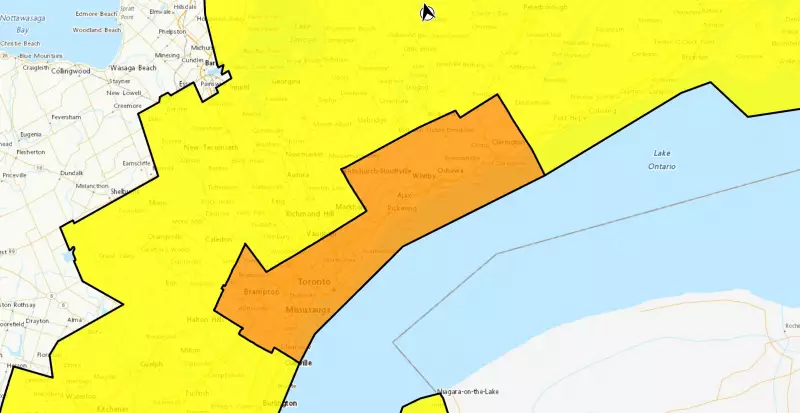
As a severe winter storm continues to blanket the Greater Toronto and Hamilton Area, the Canadian Automobile Association is implementing a strategic response plan. With approximately 100 collisions reported across the region, CAA South Central Ontario is prioritizing assistance for customers facing unsafe or dangerous situations on roadways.
Navigating Hazardous Driving Conditions
Nadia Matos of CAA South Central Ontario detailed the organization's approach during this weather emergency. "When visibility drops to the point where you cannot see the hood of your vehicle, we recognize that drivers require immediate support," Matos explained. The association is concentrating resources on stranded motorists, accident scenes, and vehicles creating traffic hazards.
This operational shift comes as extreme winter weather affects transportation systems across multiple provinces. The storm has already caused significant disruptions, including flight cancellations numbering in the thousands across North America and power outages affecting numerous communities.

Broader Weather Impacts Across Canada
The winter storm's effects extend well beyond Ontario's borders. Meteorological forecasts predict dangerously low temperatures approaching -50°C with wind chill in Ontario, Quebec, and the Maritime provinces this weekend. These conditions create multiple hazards for residents, including increased frostbite risk and challenges for emergency services.
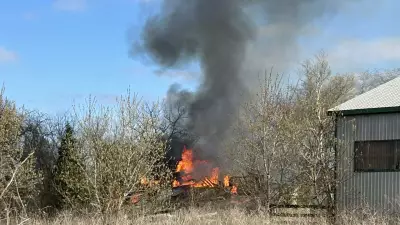
Meanwhile, other regions are experiencing their own weather-related difficulties. Firefighting efforts at a Whitewood landfill have been hampered by cold temperatures, while multiple municipalities in southwestern Ontario have declared snow events in anticipation of significant accumulation.
Safety Recommendations for Motorists
CAA officials emphasize several critical safety measures for drivers during winter storms:
- Regularly check vehicle battery health, as cold weather significantly reduces battery performance
- Maintain adequate fuel levels to prevent fuel line freezing
- Carry emergency supplies including blankets, food, water, and a fully charged mobile phone
- Avoid unnecessary travel during severe weather warnings
- Allow extra stopping distance and reduce speed according to road conditions
The association reminds members that response times may be extended during extreme weather events as technicians address the highest priority calls first. This tiered response system ensures that those in immediate danger receive assistance as quickly as possible.
Coordinated Emergency Response
Local authorities across affected regions are implementing complementary measures. Some communities have established warming centers for residents experiencing power outages, while police services are increasing patrols in high-risk areas. Transportation departments are working around the clock to clear major roadways and maintain essential services.
As the winter storm continues to impact southern Ontario and beyond, CAA's focused response strategy represents one component of a broader emergency management effort. The organization continues to monitor weather developments and adjust its resource allocation accordingly to maximize assistance for drivers facing hazardous conditions.