Calgary Tow Truck Driver Adapts Business Amid Soaring Fuel Prices
Canadians across the nation are experiencing the ripple effects of escalating fuel prices, extending far beyond simple gas station visits. The mounting pressure is reshaping daily routines and business operations, particularly for those whose livelihoods depend on vehicle usage.
The Personal Impact on Alberta's Trucking Sector
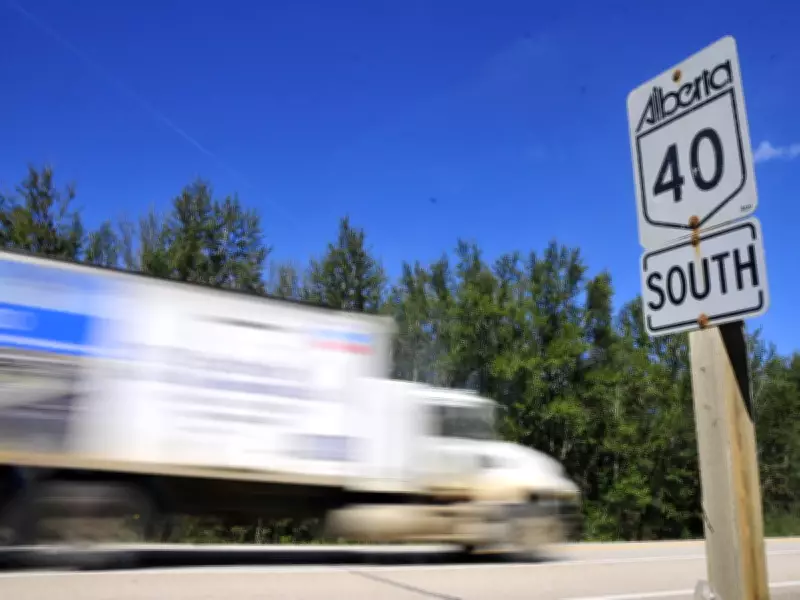
Brad Constable, who operates a tow-trucking business from Airdrie, Alberta, exemplifies this challenging reality. Constable emphasizes that while stranded motorists might perceive his industry as exploitative during emergencies, the truth reflects a different narrative. He is simply striving to sustain his livelihood in an increasingly difficult economic climate.
"I'm just trying to make a living," Constable states, "and that has become much harder with rising fuel prices." Diesel fuel has surged to well over $2 per litre nationwide, with recent reports from Kalibrate Technologies Ltd. indicating prices reaching north of $2.80 per litre at Vancouver pumps.

Government Response and Market Dynamics
The federal government has announced temporary relief by suspending the excise tax on diesel and gasoline, effective immediately through Labour Day. This measure will reduce diesel prices by approximately four cents per litre. However, this reduction appears modest compared to the roughly 50-cent increase since geopolitical tensions escalated.
The primary driver behind these price hikes stems from blockades of oil tankers along the Strait of Hormuz, a critical shipping channel typically handling one-fifth of global crude supplies. Iran implemented these bottlenecks following military engagements with Israel and the United States.
While North American oil prices experienced a sharp decline recently amid hopes for renewed peace talks between the U.S. and Iran, crude remained elevated at nearly US$92 per barrel by market close.
Broader Implications for Canadian Communities
Many Canadian communities heavily rely on vehicles for:
- Work-related transportation
- Daily errands and commuting
- Commercial operations and logistics
This dependence means that fuel price increases originating from Middle Eastern conflicts are creating difficult decisions thousands of kilometers away. Routine drives that were once economically manageable are becoming significantly more expensive, forcing businesses and individuals alike to reconsider their transportation strategies.
On-the-Ground Perspective from the Trucking Industry
A ride-along with Constable provides tangible insight into how these global geopolitical forces manifest in everyday Canadian life. His experience represents just one example within the broader trucking industry, which serves as a bellwether for economic pressures affecting multiple sectors.
This coverage is part of the Energy Aftershocks project, a collaborative initiative between the Financial Post and Calgary Herald examining the ongoing repercussions of Middle Eastern conflicts on Canadian energy markets and daily life. The project will continue to explore how energy shocks reverberate throughout various aspects of Canadian society and economy.