Calgary's Road Carnage Reaches Critical Levels in 2026
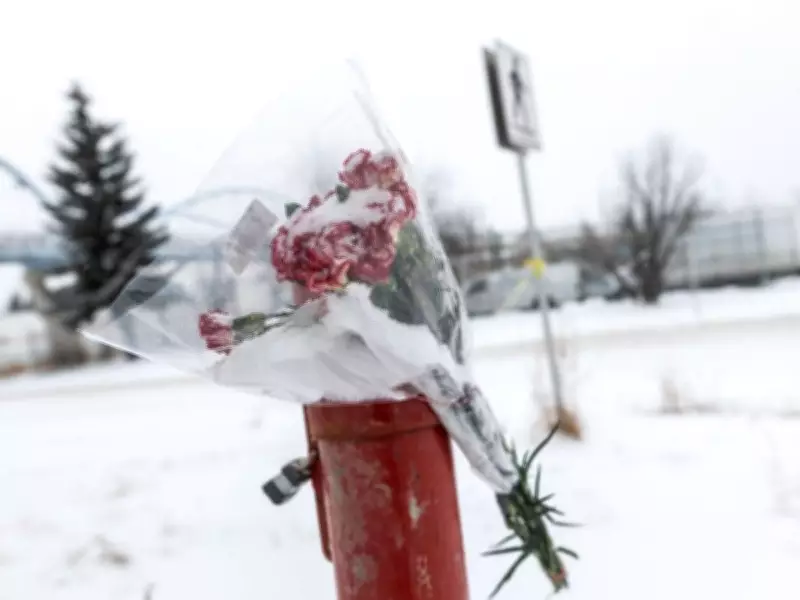
The city of Calgary is currently on a devastating trajectory toward one of the most tragic years for traffic fatalities in recent memory. The heartbreaking loss of a two-year-old toddler in a stroller at a marked crosswalk on Horton Road S.W. has shaken the community to its core, serving as a grim reminder of the human cost of road violence.
A Pattern of Preventable Tragedies
This incident is not isolated. The year has already witnessed multiple devastating collisions, including the deaths of three young hockey players in Stavely and a 90-year-old man killed while using his mobility unit. Each tragedy leaves behind devastated families and friends whose lives are irrevocably altered.
Every day on Calgary and Alberta highways, drivers display a concerning lack of responsibility. On major routes like Stoney Trail, vehicles treat the roadway as a race track, with drivers exceeding speed limits by significant margins and aggressively passing those attempting to obey the law. The absence of consistent police enforcement in these areas raises serious questions about traffic safety priorities.

The Speed Epidemic Across City Streets
The problem extends far beyond freeways. On arterial roads such as 16th Avenue N.W. and Elbow Drive, drivers exhibit visible frustration and anger toward motorists adhering to posted speed limits. Recently, in downtown Calgary, a driver was observed mounting a sidewalk to bypass construction barriers on 6th Avenue—a dangerous maneuver that exemplifies the reckless behavior becoming increasingly common.
"What can be done to reverse this deadly trend?" asks safety advocates. The provincial government's decision to eliminate photo radar has drawn particular criticism, as the technology previously served as an effective deterrent against speeding. Known speeding hotspots like Blackfoot Trail and 10th Avenue N.W. benefited from the presence of photo radar, which consistently contributed to slower, safer traffic flow.
Calling for Comprehensive Safety Measures
While the provincial government cited abuse of photo radar in some rural towns as justification for its removal, critics argue this doesn't warrant eliminating the technology entirely. Municipalities now urgently need this equipment reinstated to combat the speeding epidemic.
Cities themselves bear responsibility for addressing road safety. Many areas feature speed limits that don't align with road design or driver behavior, creating frustration that can lead to aggressive driving. The City of Calgary, along with other Alberta municipalities, should undertake a comprehensive review of speed limits and adjust signage to reflect actual road conditions.
Additionally, poorly managed construction zones with barriers that appear suddenly or remain long after their necessity contribute to driver frustration and dangerous maneuvers. The mystery of why some vehicles seem to operate with impunity—stopping in traffic lanes, slowing excessively while searching for addresses, or ignoring basic traffic laws—highlights enforcement gaps that must be addressed.
Moving Beyond Lectures to Action
Merely lecturing drivers about safety will not stem the carnage. A multi-faceted approach is essential, including:
- Restoring photo radar technology with proper oversight to prevent abuse
- Implementing substantially increased fines for traffic violations
- Enforcing license suspensions for repeat offenders
- Reviewing and rationalizing speed limits across the city
- Improving construction zone management to minimize driver frustration
The time for action is now. Calgary cannot afford to continue on its current deadly trajectory. By implementing these measures, the city can begin to reclaim its streets from the epidemic of speed and recklessness that has claimed too many lives already in 2026.