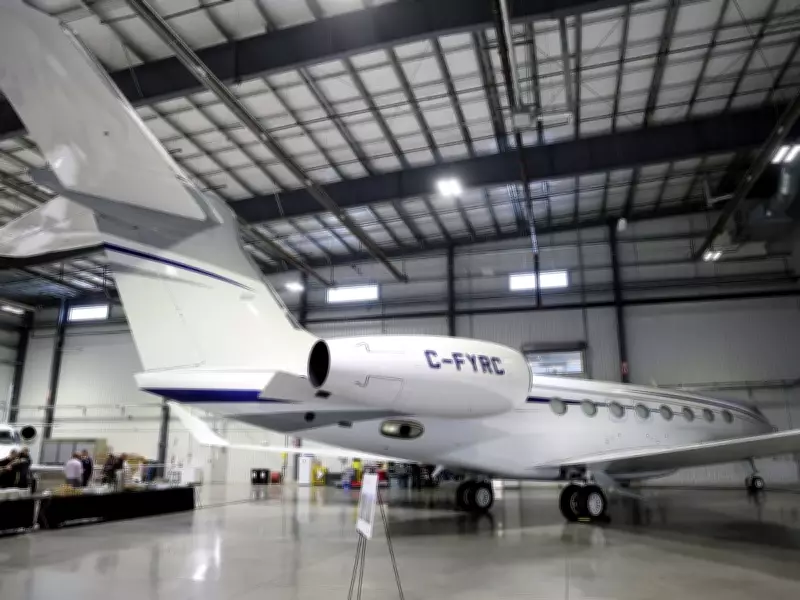
Canada Grants Full Certification to Gulfstream Jets Amid Trump Tariff Threats
Canada's aviation regulatory authority has officially certified the remaining Gulfstream private jet models that were at the center of recent threats from United States President Donald Trump. The move comes after Trump warned of significant retaliatory measures, including tariffs and decertification of Canadian-made aircraft, if Canada did not approve the jets.
Transport Canada Issues Final Approvals
Transport Canada issued certifications on Monday for Gulfstream's GVIII-700 and GVIII-800 models, which represent the largest business aircraft manufactured by the General Dynamics Corp. unit. This completes the certification process for all Gulfstream models that had been mentioned in the diplomatic dispute between the two North American neighbors.
The certification follows earlier approvals granted on February 15 for the GVII-G500 and GVII-G600 models, which were also specifically mentioned by President Trump in his complaints about Canada's aviation approval process.

Trump's Tariff Threats and Demands
On January 29, President Trump publicly accused Canada of having "wrongfully, illegally" refused to certify certain Gulfstream jets. He issued a stark ultimatum: unless Canada rectified the situation, the United States would take retaliatory action against Canadian aviation interests.
The threatened measures included decertifying all aircraft manufactured in Canada, a move that would have directly impacted Bombardier Inc., Canada's prominent aerospace manufacturer. Additionally, Trump warned of imposing a substantial 50 percent tariff on all Canadian-made aircraft entering the United States.
Background and Industry Context
The certification dispute emerged amid ongoing trade tensions between Canada and the United States, though aviation has typically been an area of cooperation between the two countries. Gulfstream Aerospace, as a subsidiary of defense contractor General Dynamics, represents a significant segment of the business aviation market with global operations.
Transport Canada's certification process involves rigorous safety and operational standards review, similar to procedures conducted by the Federal Aviation Administration in the United States. The timing of the certifications suggests diplomatic considerations may have influenced the regulatory timeline.
Gulfstream has not provided immediate comment regarding the recent certifications or the political context surrounding them. The company's business jet models are popular among corporate clients, government agencies, and private individuals worldwide for their range, comfort, and technological features.
Implications for Cross-Border Aviation Relations
The resolution of this certification dispute helps avert what could have escalated into a significant trade conflict in the aviation sector. Canadian aerospace exports to the United States represent billions of dollars annually, and retaliatory tariffs would have disrupted supply chains and business relationships across the industry.
With all mentioned Gulfstream models now certified by Canadian authorities, the immediate threat of U.S. sanctions against Canadian aircraft manufacturers appears to have been defused. However, the incident highlights how aviation regulation can become entangled in broader political and trade discussions between close economic partners.
The certifications ensure that Gulfstream can continue marketing and delivering its full range of business jets to Canadian customers without regulatory obstacles, while also maintaining smooth operations across the Canada-U.S. border for aviation manufacturing and services.