Scarborough Transit Debate Intensifies as Chow and Bradford Present Rival LRT Proposals
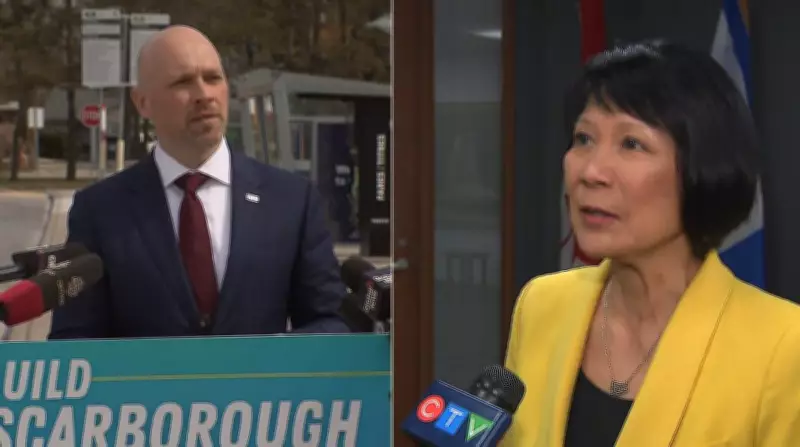
Toronto's political landscape has been reshaped by the unveiling of competing light rail transit plans for Scarborough, with Mayor Olivia Chow and Councillor Brad Bradford presenting distinct visions for the district's transportation future. The duelling proposals emerged amidst ongoing discussions about equitable infrastructure development across Toronto's neighborhoods.
Diverging Approaches to Scarborough Connectivity
Mayor Olivia Chow's plan emphasizes comprehensive community integration, proposing an LRT network that would connect Scarborough's residential areas with commercial centers and educational institutions. Her approach focuses on creating transit-oriented development opportunities while addressing historical underinvestment in the region's public transportation infrastructure.
Councillor Brad Bradford's competing proposal takes a more targeted approach, prioritizing specific corridors that have demonstrated the highest current transit demand. His plan emphasizes cost-effectiveness and rapid implementation, with a focus on connecting Scarborough to downtown Toronto more efficiently.

The Political Context of Infrastructure Planning
The competing LRT plans reflect broader political divisions within Toronto's municipal government regarding transportation priorities and budgetary allocations. Scarborough has long been a focal point in transit debates, with residents expressing concerns about being overlooked in previous infrastructure initiatives.
"Scarborough cannot be left out of Toronto's transit future," emphasized Mayor Chow during the announcement of her proposal. "Our communities deserve reliable, accessible transportation that connects them to opportunities across the city."
Councillor Bradford countered with his own perspective: "We need practical solutions that deliver results for Scarborough residents within reasonable timelines and budgets. My plan addresses immediate transportation needs while laying groundwork for future expansion."
Technical Specifications and Implementation Timelines
Both proposals include detailed technical specifications, though they differ significantly in scope and approach:
- Chow's Plan: Features a more extensive network with multiple interchange points and integration with existing transit systems
- Bradford's Plan: Focuses on key arterial routes with potential for phased implementation beginning within two years
- Estimated Costs: Both plans acknowledge significant financial requirements, though specific figures remain under review
- Environmental Considerations: Each proposal includes sustainability elements and reduced emissions projections
Community Response and Next Steps
Local advocacy groups have expressed cautious optimism about the renewed focus on Scarborough's transit needs, while urging careful consideration of both proposals' long-term implications. Community consultations are expected to play a crucial role in determining which approach gains broader support among residents and stakeholders.
The competing plans will now undergo technical review by city staff, with further discussions anticipated in upcoming municipal council sessions. The outcome of this debate may significantly influence Toronto's transportation landscape for decades to come, particularly regarding equitable infrastructure development across all city districts.
As Toronto continues to grow and evolve, the Scarborough LRT debate represents a critical moment in determining how the city addresses historical transportation disparities while planning for future urban mobility challenges.