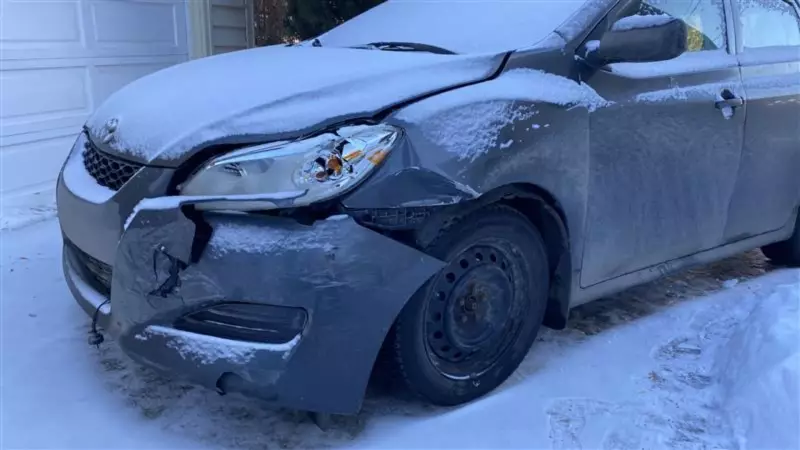
Edmonton Driver Advocates for Enhanced Street Sanding Following Crash on 'Clear Ice'
A driver in Edmonton is calling for improved street sanding procedures after a recent car crash she attributes to hazardous "clear ice" conditions on residential roads. The incident has sparked renewed discussion about winter road maintenance and public safety in the city.
The Crash Incident and Driver's Concerns
The driver, whose identity has not been publicly disclosed, reported crashing her vehicle due to what she describes as a lack of adequate sanding on streets that had been previously cleared of snow. According to her account, the cleared surfaces became treacherously slick with transparent ice, creating dangerous driving conditions that led to the accident.
"The streets looked clear, but they were actually covered in a thin layer of ice that was nearly invisible," the driver explained. "I lost control before I even realized what was happening."

City's Winter Maintenance Response
This incident comes despite the City of Edmonton reporting that approximately 75 percent of residential streets have been cleared following recent winter weather events. Municipal officials maintain that their snow and ice control operations follow established protocols designed to balance safety concerns with budgetary constraints and environmental considerations.
However, the driver's experience suggests a potential gap between clearing operations and subsequent sanding or anti-icing treatments that could prevent dangerous ice formation on exposed pavement surfaces.
Broader Implications for Winter Road Safety
The situation raises important questions about winter driving safety in Canadian cities:
- How effectively do current sanding and anti-icing protocols address "clear ice" conditions?
- What technological improvements might enhance ice detection and treatment on cleared roadways?
- How can municipalities better communicate road conditions to drivers following clearing operations?
Winter driving presents unique challenges across Canada, with different municipalities employing various approaches to snow and ice management. Edmonton's experience with this particular crash highlights the ongoing need to evaluate and potentially enhance winter maintenance strategies as climate patterns evolve and urban populations grow.
Looking Forward: Potential Solutions
Transportation experts suggest several approaches that could improve winter road safety:
- Enhanced monitoring of pavement temperatures and conditions following snow removal
- More responsive application of sand, salt, or alternative anti-icing materials
- Improved public communication about potential hazards on "cleared" streets
- Investment in more advanced ice detection technology for municipal fleets
The driver involved in this incident hopes her experience will prompt municipal officials to review current sanding protocols and consider enhancements that could prevent similar accidents during future winter weather events. As Edmonton and other Canadian cities continue to navigate winter driving challenges, balancing effective maintenance with public safety remains an ongoing priority for municipal governments and transportation departments nationwide.