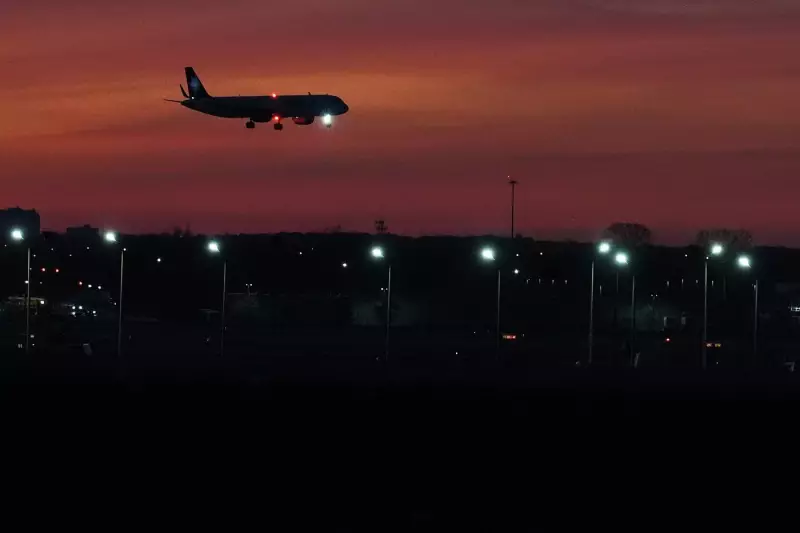
Flight Reductions to Continue Amid Staffing Challenges
The Federal Aviation Administration (FAA) has announced that the 6% reduction in U.S. flights will remain in effect for the immediate future. This decision, confirmed on November 12, 2025, comes as the agency reports a gradual increase in the number of air traffic controllers reporting for work. While the situation is showing early signs of stabilization, the cuts are deemed necessary to maintain safety and manageable traffic levels within the national airspace system.
A Gradual Return to Normalcy
The FAA's announcement indicates a cautious optimism. The agency has observed a positive trend with more air traffic controllers coming to work, alleviating some of the severe staffing shortages that initially prompted the flight cuts. These reductions were implemented at some of the nation's busiest airports, including major hubs like O'Hare International Airport in Chicago, to prevent overloading the system and ensure that the remaining controllers could handle the workload without compromising safety.
This measured approach allows the aviation infrastructure to recover steadily. The FAA is closely monitoring the staffing levels daily, balancing the need to restore full flight schedules with the paramount importance of operational safety. The continuation of the 6% cut is a clear signal that while progress is being made, the system is not yet ready to resume its full pre-disruption capacity.

Implications for Travelers and the Aviation Industry
For passengers, the extended flight reductions mean that travel disruptions, including cancellations and delays, are likely to persist. Airlines are forced to maintain a slimmed-down schedule, which can lead to fewer available seats and potentially higher fares on certain routes. The impact is most acutely felt at major traffic centers where the controller-to-flight ratio was most strained.
The aviation industry continues to navigate a path toward full recovery. The FAA's decision to hold the line at a 6% reduction, rather than increasing it, is being viewed as a positive step. It suggests that the worst of the staffing crisis may be over, but a full return to normal operations will be a gradual process. All stakeholders are urged to stay informed of ongoing updates from the FAA and their respective airlines.