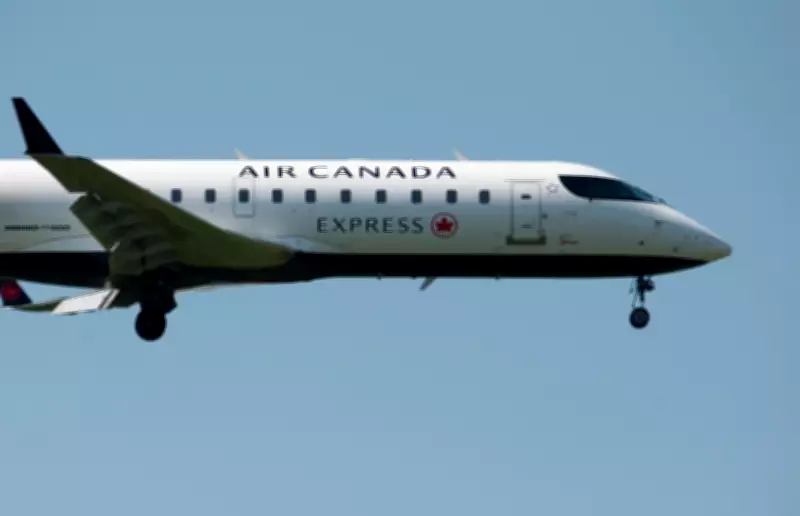
FAA Launches Investigation Into Dangerous Near-Miss Incident at JFK Airport
The Federal Aviation Administration has initiated a formal investigation following a concerning aviation incident at John F. Kennedy International Airport in New York. According to preliminary reports, an American Airlines aircraft came alarmingly close to an Air Canada plane during operations at the busy international hub, prompting immediate safety reviews by aviation authorities.
Details of the Close Proximity Event
While specific details regarding the exact distance between the two commercial aircraft remain under investigation, aviation experts confirm that the incident qualified as a "near-miss" situation that could have resulted in catastrophic consequences. The event occurred during normal airport operations at JFK, one of the busiest aviation facilities in the United States, raising questions about air traffic control protocols and pilot communication procedures.
American Airlines and Air Canada, both major carriers with extensive North American operations, have acknowledged the incident and are cooperating fully with the FAA investigation. Neither airline has reported any injuries to passengers or crew members resulting from the close proximity event, though the psychological impact on flight crews and potential passengers remains a concern for aviation psychologists.

Aviation Safety Protocols Under Scrutiny
The incident has brought renewed attention to aviation safety measures at major international airports, particularly those handling high volumes of air traffic like JFK. Aviation safety experts emphasize that such near-miss events, while rare in modern commercial aviation, represent critical opportunities to review and enhance safety protocols.
"Any incident where aircraft come closer than established minimum separation standards warrants thorough investigation," explained an aviation safety analyst familiar with the investigation. "These events help identify potential weaknesses in our air traffic control systems and pilot training programs that might otherwise go unnoticed until a more serious incident occurs."
Historical Context and Regulatory Response
The FAA maintains strict separation standards for aircraft operating in controlled airspace, with specific minimum distances established for various phases of flight including takeoff, landing, and taxiing. Previous near-miss incidents at major airports have typically resulted in:
- Comprehensive review of air traffic control procedures
- Enhanced pilot training requirements
- Technological upgrades to collision avoidance systems
- Revised airport operational protocols
The current investigation will likely examine multiple factors including weather conditions at the time of the incident, communication between air traffic control and flight crews, aircraft positioning systems functionality, and adherence to established separation protocols. The findings could influence broader aviation safety regulations affecting airports nationwide.
Industry Implications and Passenger Confidence
While aviation remains statistically one of the safest modes of transportation, incidents like the JFK near-miss can impact public perception of air travel safety. Both American Airlines and Air Canada have emphasized their commitment to passenger safety and full cooperation with investigators, though neither carrier has released detailed statements about potential operational changes resulting from the incident.
The aviation industry has made significant safety advancements in recent decades, with collision avoidance technology and enhanced pilot training reducing the frequency of such incidents. However, as air traffic continues to recover to pre-pandemic levels at major hubs like JFK, maintaining rigorous safety standards remains a paramount concern for regulators, airlines, and the traveling public alike.