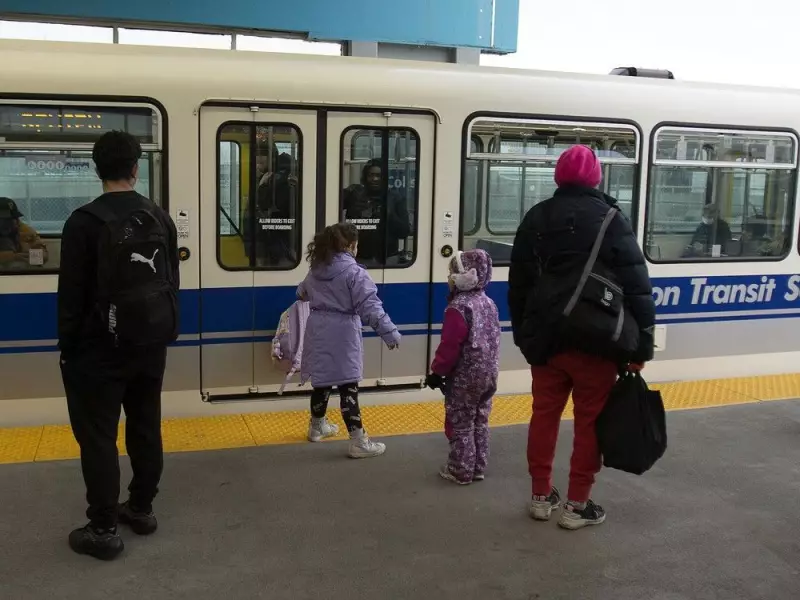
The federal government has made a significant cut to transit funding that impacts communities across Canada, derailing hopes for improved public transportation systems. The dedicated $3-billion annual Canada Public Transit Fund has been absorbed into the new Build Communities Strong Fund, a move that transit advocates say weakens direct federal support for public transit infrastructure.
The Impact on Aging Transit Infrastructure
This funding change comes at a critical time when much of Canada's transit capital assets are aging dramatically. Montreal's Metro cars have been in service since the 1976 Olympics, while Edmonton and Calgary are operating LRT trains that are over 40 years old. Toronto's Line 2 subway cars date back to the era of the first free trade agreement with the United States. Thousands of buses across the country are also operating well beyond their designed life cycles, creating reliability concerns for daily commuters.
Financial Shortfalls Worsen
The funding cut exacerbates an already critical financial situation for transit agencies. As of 2024, Canada's eight largest transit agencies faced a growing annual operating budget shortfall of $1.6 billion. This operating deficit, which affects the daily operation of buses and trains, is compounded by a chronic capital projects backlog affecting public infrastructure nationwide.

Transit agencies now face uncertainty in planning major capital projects, as they depend on support from higher levels of government. The elimination of dedicated transit funding means agencies must operate in limbo, unable to confidently proceed with improving operational levels, tendering projects, or procuring new equipment that would typically be manufactured here in Canada.
Political Irony and Economic Consequences
The timing of these cuts creates what many see as political irony. Prime Minister Mark Carney has repeatedly used transit facilities and manufacturing sites as backdrops for photo opportunities. Just last week, while promoting his budget that cuts transit funding, he brought the parliamentary press gallery to an LRT yard. Similar photo-ops occurred earlier this year at bus manufacturing sites in Manitoba and Quebec.
The Canadian transit manufacturing industry, while receiving less attention than the automotive sector, employs thousands of workers across the country who build transit vehicles and have the capacity to expand production. The dedicated funding stream that supported their work has now been eliminated, raising concerns about the future of these domestic manufacturing jobs.
By returning to the previous status quo, transit agencies and municipal leaders must now devote more resources to lobbying and collaborating with Ottawa rather than focusing on long-term planning and service improvement. The certainty that the Canada Public Transit Fund provided for prudent planning has been replaced with political uncertainty that threatens the future of public transportation in Canadian cities.