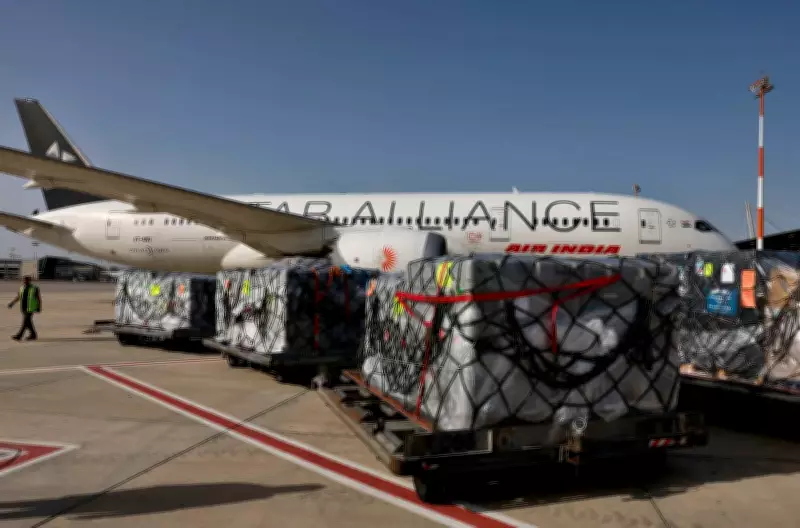
Flights Disrupted Across Middle East and Beyond Following Attack on Iran
Air travel across the Middle East and other regions is experiencing significant disruptions following recent attacks on Iran. Numerous airlines have been forced to cancel or reroute flights, affecting passenger and cargo operations in a wide area.
The disruptions come as tensions escalate in the region, leading to heightened security concerns and operational challenges for aviation authorities. Major airports in neighboring countries have reported delays and cancellations, with some carriers suspending services temporarily.
Impact on Regional Aviation
Flight tracking data shows that airspace closures and reroutings have become common, particularly over areas near Iran. This has led to longer flight times and increased fuel costs for airlines, compounding the logistical difficulties.

Passengers are facing widespread uncertainty, with many left stranded or forced to seek alternative travel arrangements. The situation is reminiscent of previous regional conflicts that similarly disrupted global air travel patterns.
Global Ripple Effects
Beyond the Middle East, the flight disruptions are having ripple effects on international routes that traverse the region. Airlines from Europe, Asia, and North America are adjusting their schedules to avoid affected airspace, leading to cascading delays worldwide.
Aviation experts warn that the situation could persist depending on how security conditions evolve. They emphasize the importance of coordination between international aviation bodies to manage the crisis effectively.
The broader implications for global trade and connectivity are also under scrutiny, as cargo flights face similar disruptions. This incident highlights the vulnerability of international aviation networks to regional geopolitical events.