Manitobans Gain Voice in Identifying Province's Most Problematic Roads
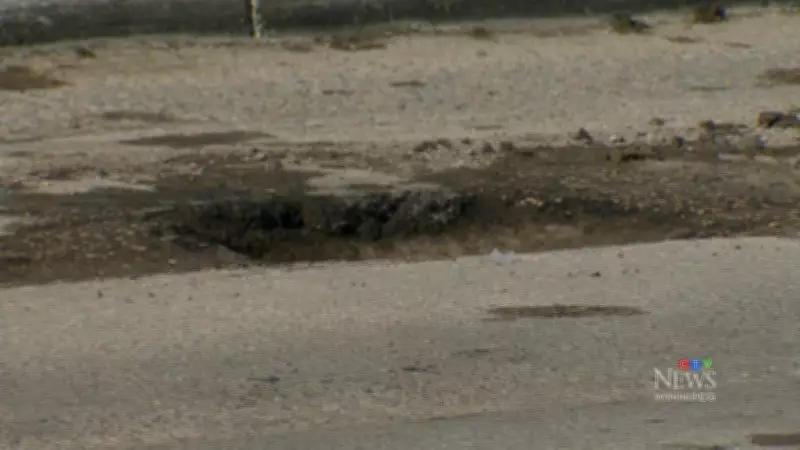
Residents across Manitoba now have the opportunity to directly influence infrastructure priorities through the annual Worst Roads nomination campaign. This initiative allows citizens to highlight specific roadways that require urgent attention due to poor conditions, safety hazards, or maintenance issues.
How the Nomination Process Works
The campaign operates through a straightforward online platform where Manitobans can submit detailed nominations for problematic roads in their communities. Participants are encouraged to provide specific information about location, road conditions, and safety concerns. This data-driven approach helps transportation authorities prioritize repair projects based on real public input rather than solely on technical assessments.
Impact on Infrastructure Planning
Previous campaigns have demonstrated tangible results, with nominated roads receiving expedited repairs and improvements. The program serves as a valuable feedback mechanism between residents and government agencies responsible for transportation infrastructure. By identifying problem areas through public participation, authorities can allocate resources more effectively and address the most pressing concerns first.
The transparency of this process allows citizens to track whether their nominations lead to action, creating accountability in infrastructure management. This collaborative approach represents a significant shift toward more responsive governance in transportation planning.
Safety Considerations and Community Benefits
Beyond mere convenience, the campaign addresses critical safety issues. Poor road conditions contribute to accidents, vehicle damage, and increased maintenance costs for drivers. By identifying hazardous sections early, authorities can implement preventive measures before serious incidents occur.
The program also fosters community engagement, as residents become active participants in local governance rather than passive recipients of infrastructure decisions. This empowerment leads to more informed discussions about transportation priorities and budget allocations.
Looking Forward
As the nomination period opens, transportation officials anticipate robust participation from urban and rural communities alike. The collected data will inform both immediate repair schedules and long-term infrastructure planning. This annual initiative continues to evolve, incorporating new technologies and feedback mechanisms to better serve Manitoba's diverse transportation needs.
The Worst Roads campaign represents a practical approach to democratic participation in infrastructure management, giving voice to those who navigate these roads daily while providing valuable data to those responsible for maintaining them.