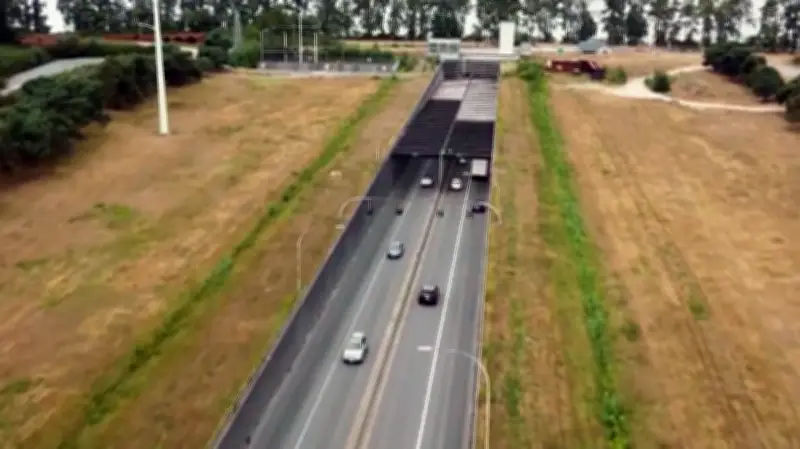
The budget to replace the George Massey Tunnel has more than doubled, rising to $8.5 billion, the British Columbia government announced on July 6, 2026. The project, which aims to replace the aging tunnel connecting Richmond to Delta, now carries a significantly higher price tag due to inflation, supply chain issues, and an expanded scope of work.
Cost Escalation Details
Originally estimated at $3.5 billion in 2017, the replacement project's budget has surged by 143% to $8.5 billion. The province attributed the increase to rising construction costs, labor shortages, and additional design features, including enhanced seismic resilience and improved transit infrastructure. The new budget also accounts for a longer construction timeline, with completion now expected in 2032, four years later than initially planned.
Project Scope and Impact
The George Massey Tunnel replacement involves building a new eight-lane immersed tube tunnel under the Fraser River, replacing the existing 1959 structure that carries over 80,000 vehicles daily. The project includes dedicated bus lanes, cycling paths, and upgrades to connecting highways. Transportation Minister Mike Farnworth stated, "This investment is critical for reducing congestion and supporting economic growth in the region. While the cost is higher than anticipated, the benefits of a modern, resilient crossing will serve British Columbians for decades."

Critics, including some municipal leaders and environmental groups, have questioned the escalating costs and urged consideration of alternative transit solutions. Surrey Mayor Brenda Locke said, "We need accountability and transparency. Taxpayers deserve to know why costs have doubled and what alternatives were explored." The province has committed to regular progress reports and independent cost audits.
Funding and Economic Context
The $8.5 billion budget includes federal and provincial contributions, with the federal government committing up to $2.5 billion through the Investing in Canada Infrastructure Program. The remaining $6 billion will come from provincial coffers, including toll revenues and gas tax funds. The project is expected to create approximately 15,000 jobs during construction.
Economists have raised concerns about the fiscal impact, with the province facing a projected deficit of $4.5 billion for 2026-27. However, the government argues that the long-term economic benefits, including reduced travel times and improved trade connectivity, outweigh the upfront costs.