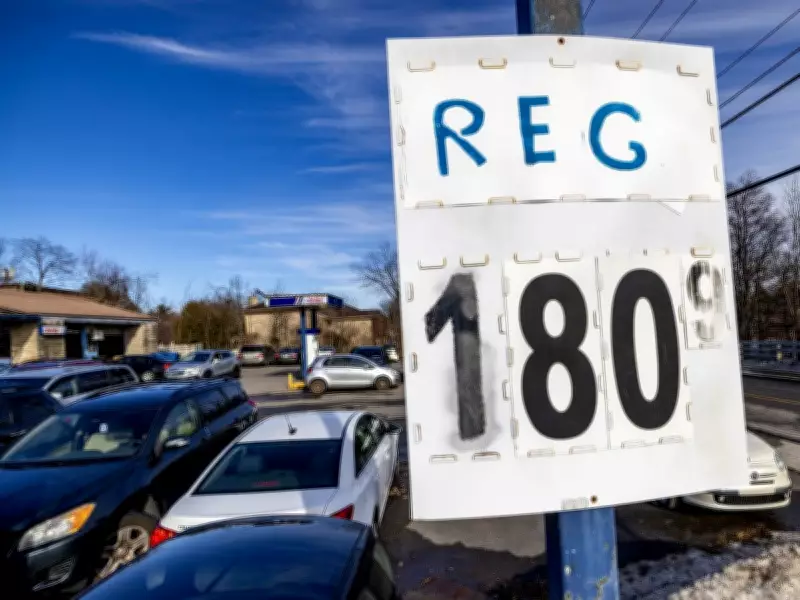
Gasoline prices in the Montreal region have surged dramatically, with average costs climbing above $1.80 per litre and some stations posting prices exceeding $1.85. This represents a significant increase from just one month ago, when drivers were paying an average of $1.46 per litre.
Sharp Price Increase Reflects Global Market Volatility
According to data from fuel tracking service GasBuddy, the average price in Montreal reached approximately $1.80 per litre on Saturday, March 14, 2026. This marks a substantial 33-cent increase from February's average of $1.46 per litre, representing a price jump of about 23 percent in just one month.
User-reported data from Essence Montréal confirms that some stations in the region have posted prices above $1.85 per litre, indicating that the price surge is affecting consumers across the metropolitan area.
Middle East Conflict Drives Oil Market Disruption
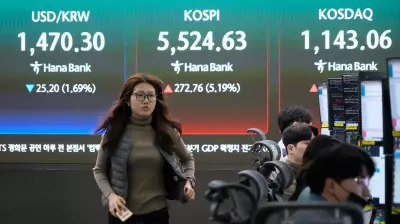
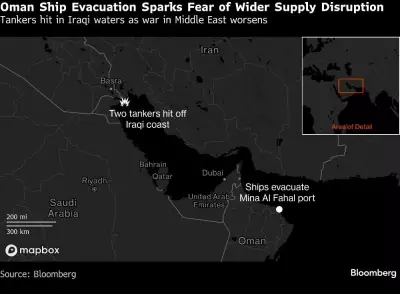
The primary driver behind these escalating fuel costs is the ongoing turmoil in global oil markets, which erupted following U.S. and Israeli airstrikes against Iran on February 28. These military actions have raised serious concerns about potential disruptions to oil shipments from the Persian Gulf region, which accounts for approximately one-fifth of the world's total oil supply.
The price of Brent crude oil briefly approached US$120 per barrel earlier in the week before settling at US$103.14 on Saturday. This represents a dramatic increase from the pre-conflict price of about US$73 per barrel. Oil prices typically account for about 60 percent of the retail cost of gasoline, making them the largest single factor determining what motorists pay at the pump.
Strategic Shipping Chokepoint Under Threat
Particular concerns center around the potential threat to shipping through the Strait of Hormuz, one of the world's most critical energy chokepoints. This narrow waterway carries a substantial portion of global oil exports as well as significant quantities of liquefied natural gas.
In his first public comments since being named supreme leader, Iran's Mojtaba Khamenei explicitly mentioned that "the lever of blocking the Strait of Hormuz" remains a viable option for his government. An Islamic Revolutionary Guard Corps spokesperson further escalated tensions by warning that vessels linked to the United States, Israel, or their allies could be specifically targeted.
"You will not be able to artificially lower the price of oil. Expect oil at $200 per barrel," the spokesperson declared, suggesting that prices could potentially double from current levels if the conflict intensifies.
International Response and Economic Implications
The International Energy Agency has attempted to calm markets by announcing plans to release a record 400 million barrels of oil from strategic reserves. However, energy analysts caution that this measure would not fully offset any prolonged disruption to shipments through the Strait of Hormuz.
Economists are increasingly concerned that higher energy prices could reignite inflationary pressures, potentially causing central banks to become more cautious about cutting interest rates. This comes at a time when many economies were hoping for monetary policy relief after previous inflationary spikes.
The current situation evokes memories of 2022, when oil prices last exceeded US$100 per barrel following Russia's invasion of Ukraine. During that period, gasoline prices in Montreal briefly rose above $2 per litre, creating significant financial strain for motorists and businesses alike.
As the Middle East conflict continues to evolve, Montreal drivers face the prospect of sustained high fuel costs, with market volatility likely to persist until geopolitical tensions ease and global oil supplies stabilize.