OC Transpo Considers Axle Redesign Amid Major Train Service Disruption
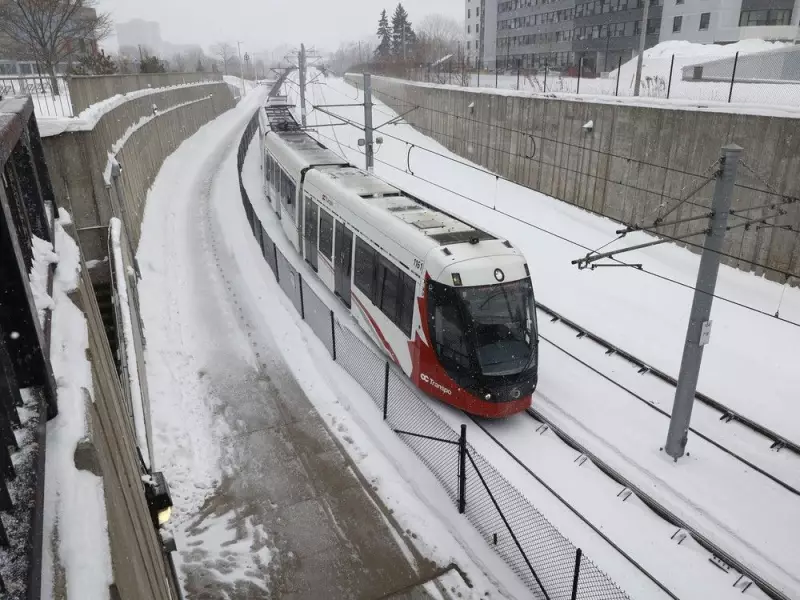
OC Transpo general manager Troy Charter has called for patience from riders and hinted at a potential axle "redesign" as the transit authority grapples with a significant issue affecting its O-Train fleet. This development comes after 41 out of 60 trains were taken out of service due to problems detected with cartridge bearing assemblies.
Bearing Assembly Issue Forces Service Reduction
The transit agency removed the trains from operation after Rideau Transit Group identified a critical problem with the cartridge bearing assemblies on older trains that have surpassed 100,000 kilometres of service. These assemblies play a crucial role in connecting the axle to the wheel, enabling the train to bear its weight while maintaining smooth operation.
Inspections revealed a condition known as "spalling," where flakes break away from the metal surface inside the bearing. This contamination compromises the grease and impedes the bearings' ability to rotate properly, potentially leading to further degradation and eventual failure.

Complex Repair Work Underway
During a media conference on January 23, Charter explained that RTG and its subcontractor have begun the "complex and time consuming" process of replacing the cartridge bearing assemblies on all 41 affected trains. While this specific issue is new, it was discovered during ongoing investigations into similar axle bearing problems that caused derailments on Line 1 back in 2021.
"We believe an axle redesign is required in order to ensure long-term sustainable, reliable and safe service," Charter stated. "This issue is a new issue, but it is part of that cartridge bearing assembly. So the ongoing investigation analysis into this new issue will inform what that ultimate sustainable solution and potential redesign looks like."
Service Adjustments and Customer Impact
With only 18 trains currently available for service, OC Transpo has implemented schedule adjustments to maintain operations. During weekday peak periods, train frequency has been increased to every three to four minutes. The agency is also evaluating potential adjustments to off-peak service frequencies.
Charter directly addressed customers, acknowledging the disruption: "Thank you for your patience during this difficult and frustrating time. I know this is frustrating. This is very disruptive to your day, especially with the snowy and very cold days that we're having. I know the important role that transit plays in your daily lives."
Current Operations and Future Plans
Line 1 has been operating with a combination of single- and double-car trains, and despite full passenger loads, staff have reported no unsafe crowding at stations. Weekend service on Line 1 will continue at the planned 10-minute frequency, while the agency hopes to have up to 20 vehicles available by Monday, maintaining the increased three to four minute intervals.
Importantly, Lines 2 and 4 remain unaffected by the cartridge bearing assembly issue and continue to operate according to their regular schedules. The transit authority continues to monitor the situation closely as repair work progresses and investigations into a potential long-term solution continue.