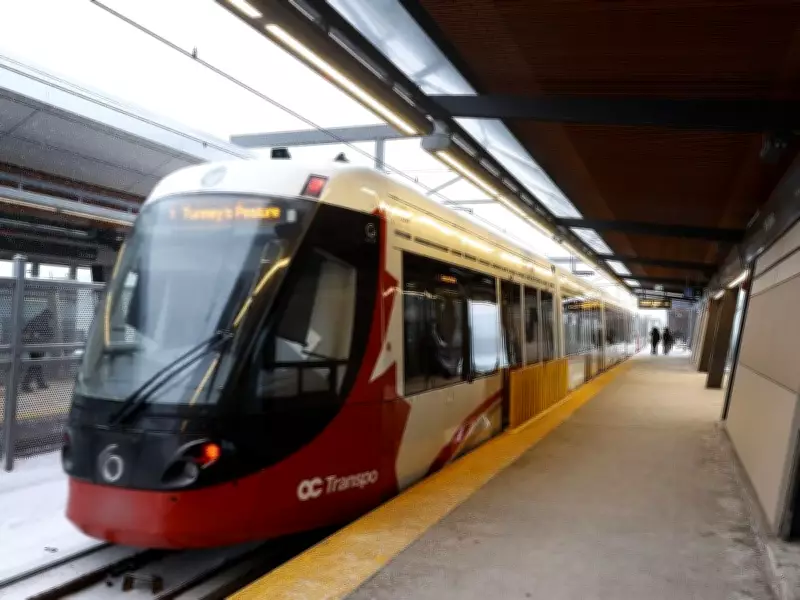
OC Transpo has publicly acknowledged the excruciatingly slow progress in returning its O-Train fleet to full operational capacity, with available train numbers showing minimal improvement over recent weeks. The transit authority continues to face significant challenges with both its rail and bus services, creating ongoing frustration for Ottawa commuters.
Train Fleet Status Remains Largely Unchanged
The latest update reveals that only 21 train cars are currently available for Line 1 service, while 38 remain out of service for inspection and repairs. These numbers have remained essentially static for several consecutive weeks, according to regular updates provided in weekly memos to city council.
The current situation stems from a January 21 decision to remove 41 train cars from service after the Rideau Transit Group identified "spalling" issues with the cartridge bearing assembly in the train cars' axles. At that initial point, OC Transpo had just 18 train cars available, meaning only three additional cars have returned to service in over a month.

Understanding the Technical Challenge
OC Transpo interim general manager Troy Charter has explained that spalling involves flakes breaking away from the metal surface inside the bearing, which can lead to further degradation and potential failure. The affected train cars have all exceeded 100,000 kilometers of service.
"The focus remains on ensuring that the proposed measures that need to be put in place ensure the ongoing safety and reliability of the system," Charter stated. "The work is complex and, unfortunately, cannot be rushed."
Despite the limited fleet availability, O-Train Line 1 service continues to operate with trains running every three to four minutes during peak periods. Lines 2 and 4 remain unaffected by the spalling issue.
Bus Fleet Also Faces Reliability Challenges
While train repairs proceed slowly, OC Transpo is simultaneously grappling with reliability issues in its rapidly aging bus fleet. The transit authority continues to fall short of reliability targets, with three percent of bus trips not delivered last week. While this represents an improvement from the six percent cancellation rate the previous week, it still indicates ongoing service challenges.
On an average weekday, OC Transpo had 492 buses available, falling short of the 500 buses required to meet service demands adequately. Charter acknowledged the maintenance backlog affecting diesel buses that have exceeded their 15-year useful lifespans.
Incremental Improvements and Future Outlook
Charter noted some "incremental" progress with the bus fleet, including the addition of two more zero-emission electric hybrid buses, bringing the total electric bus count to 55. However, significant challenges remain in maintaining the aging diesel fleet.
"We need to continue with our recruitment of mechanics and we need to onboard the zero-emission electric buses so that we can retire some of the oldest buses in our fleet that are unreliable," Charter explained. "When we have issues, they tend to be out for maintenance for longer periods of time."
The interim general manager expressed hope that better weather conditions would improve fleet management, stating, "As we onboard more buses, as we bring on more mechanics, we will see incremental improvements in our bus service. And then, when we get into better weather, it's easier to manage a fleet of vehicles with the better weather."
Charter once again thanked frustrated customers for their patience as OC Transpo, Rideau Transit Group, and train manufacturer Alstom continue their repair efforts. The transit authority faces the dual challenge of addressing immediate safety concerns while working toward long-term fleet reliability improvements across both rail and bus services.