OC Transpo Refund Decision Rests with Ottawa City Council
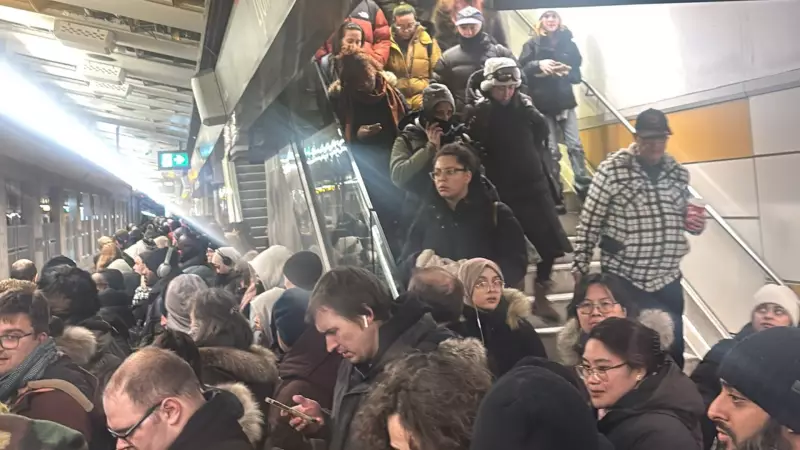
The head of OC Transpo has clarified that any decision regarding refunds for transit riders following service disruptions must be made by Ottawa City Council. This statement comes amid growing passenger frustration over recent operational issues, including a notable incident where a stopped train on O-Train Line 1 disrupted service at Lyon Station on January 27, 2026, leading to crowded platforms and delays.
Council's Role in Passenger Compensation
In response to questions about potential reimbursements, the OC Transpo leadership emphasized that while the transit agency manages daily operations, financial policies such as refunds fall under the purview of elected officials. This delineation of responsibility highlights the bureaucratic challenges in addressing rider concerns promptly, as council deliberations can involve lengthy processes and budgetary considerations.
The debate over refunds is not new in public transit systems, but it has gained urgency in Ottawa due to recurring service interruptions. Passengers have reported significant inconveniences, from missed appointments to extended commute times, fueling calls for accountability and compensation. Advocates argue that refunds could serve as a tangible form of redress, while critics worry about the financial implications for the city's transit budget.

Broader Context of Transit Reliability
This issue is part of a larger conversation about transit reliability and customer service in urban centers. Ottawa, like many cities, faces infrastructure challenges, including aging equipment and high passenger volumes, which can lead to unexpected breakdowns. The recent disruption at Lyon Station, captured in images showing packed platforms, underscores the immediate impact on daily commuters.
Transit experts note that while refunds might offer short-term relief, long-term solutions require investment in system upgrades and preventive maintenance. The council's decision will likely weigh these factors, balancing immediate passenger needs with sustainable transit planning. Public feedback is expected to play a key role, with riders encouraged to voice their opinions through official channels.
As Ottawa grapples with this decision, other Canadian cities monitor the outcome, as it could set a precedent for handling similar situations nationwide. The outcome will not only affect current riders but also influence public trust in transit systems moving forward.