Eastern Ontario Politicians Voice Concerns Over Alto High-Speed Rail Costs and Land Use
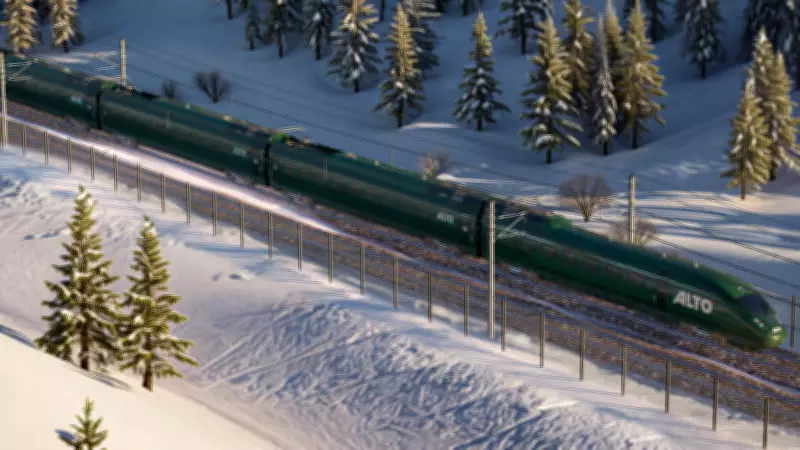
Politicians from Eastern Ontario are raising significant concerns regarding the proposed Alto high-speed rail project, citing potential financial burdens and land use implications. The ambitious infrastructure initiative, also known as the Toronto–Quebec City High-Speed Rail Network, aims to revolutionize transportation in the region but faces scrutiny from local representatives.
Financial and Land Use Worries
The primary issues highlighted by politicians revolve around the substantial costs associated with constructing and maintaining the high-speed rail line. Many fear that the project could strain public finances, leading to increased taxes or reduced funding for other essential services. Additionally, there are apprehensions about the extensive land required for the rail corridor, which could impact agricultural areas, natural habitats, and existing communities.
Local representatives argue that the potential disruption to land use must be carefully evaluated to ensure that the benefits of improved connectivity do not come at the expense of environmental sustainability and community well-being. They emphasize the need for transparent planning and stakeholder engagement to address these concerns effectively.

Broader Implications for Regional Development
Beyond immediate costs and land use, politicians are also considering the long-term implications of the Alto project on regional development. While high-speed rail could boost economic growth by enhancing travel efficiency between major cities, there are worries about uneven benefits, with rural areas potentially being overlooked. Ensuring equitable access and minimizing negative impacts on local economies are key priorities for critics.
The debate underscores the complex balance between advancing infrastructure and preserving community interests, as Eastern Ontario leaders call for a thorough assessment before moving forward with the high-speed rail plans.