Ottawa Explores Bus-Only Lanes for Bank Street in Glebe Corridor
The City of Ottawa is considering implementing peak-period bus-only lanes along Bank Street through the Glebe neighborhood as part of efforts to enhance OC Transpo service reliability. A detailed report outlining a proposed 15-month pilot project will be presented to a city committee on March 30, 2026.
Proposed Pilot Project Details
The pilot project would establish dedicated bus lanes operating from 7 to 10 a.m. for northbound traffic and from 3 to 6 p.m. for southbound traffic along Bank Street between Highway 417 and the Rideau Canal. Additionally, city staff are recommending four permanent 24-hour bus-only segments near Fourth, Holmwood and Aylmer avenues, which would require the removal of 17 on-street parking spaces.
Bank Street represents one of Ottawa's most heavily traveled corridors, serving as the primary artery through the Glebe while accommodating a complex mix of vehicles, buses, pedestrians and cyclists. The street also functions as a crucial access route for major events at Lansdowne Park, including games for the Charge, Redblacks, Atlético and Rapid teams.

Transit Performance Challenges
On typical weekdays, more than 6,900 transit passengers travel this corridor on bus routes 6 and 7, which rank among the highest ridership routes in Ottawa's transit system. However, performance data reveals significant challenges, with both routes ranking among OC Transpo's top three for undelivered trips in February 2026, each posting delivery rates just below 93 percent according to transit committee data presented on March 12.
Traffic analysis indicates up to 720 vehicles per hour travel along Bank Street during peak directions, with all intersections reportedly operating under capacity. Despite this, delays frequently occur as vehicles wait to turn left off Bank Street or to enter and exit on-street parking spaces.
Current Parking Regulations and Space Allocation
Current regulations prohibit on-street parking during two-hour peak windows in the peak direction, allowing for two general traffic lanes in the peak direction and one lane in the opposite direction. Outside peak hours, including weekends, Bank Street is reduced to one lane in each direction, with curbside lanes accommodating approximately 146 on-street parking spaces.
The city's report emphasizes that "because the corridor is narrow, choices must be made by council about how space is allocated to the different uses of the street."
Community Response and Advocacy Positions
The proposed changes have generated controversy among local community groups with differing perspectives on the appropriate approach. Some stakeholders argue that further parking reductions are necessary to meaningfully improve transit reliability, while others express concern that any loss of parking could negatively impact area businesses.
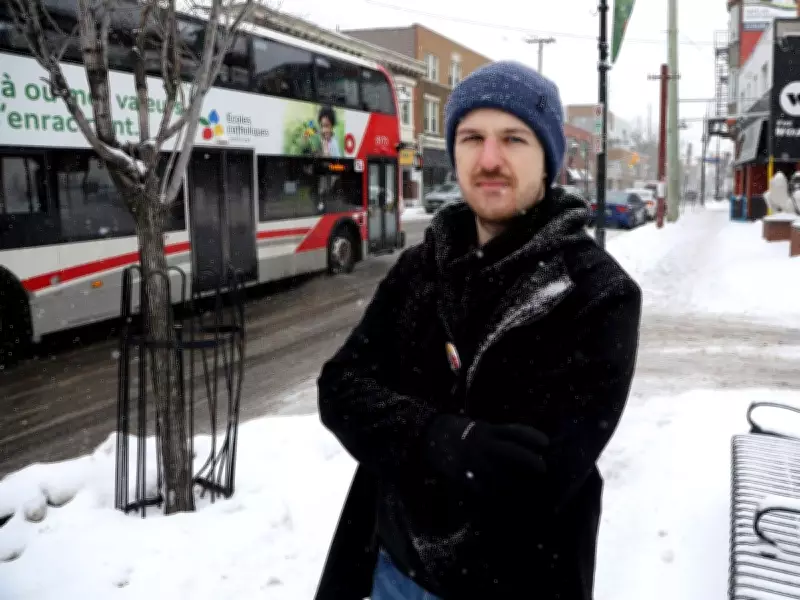
Advocacy group Strong Towns Ottawa has been particularly vocal, pushing for more comprehensive measures. The organization, represented by member Marko Miljusevic, has been advocating for 24-hour bike lanes along Bank Street and is now urging the city to implement 24-hour bus lanes rather than limiting them to peak periods.
The debate highlights the complex balancing act facing city planners as they attempt to accommodate multiple transportation priorities within the constrained physical space of one of Ottawa's most vital urban corridors.