Ottawa Council Directs OC Transpo to Explore Compensation for Transit Disruptions
Ottawa City Council has taken significant action to address growing frustrations among transit riders by passing two motions that direct OC Transpo to explore compensation options for service disruptions. The motions, approved on Wednesday, call for the transit authority to investigate various forms of compensation that could include refunds, capital improvements to enhance reliability, discounted future service, or other methods of making amends to affected customers.
Addressing Systemic Transit Challenges
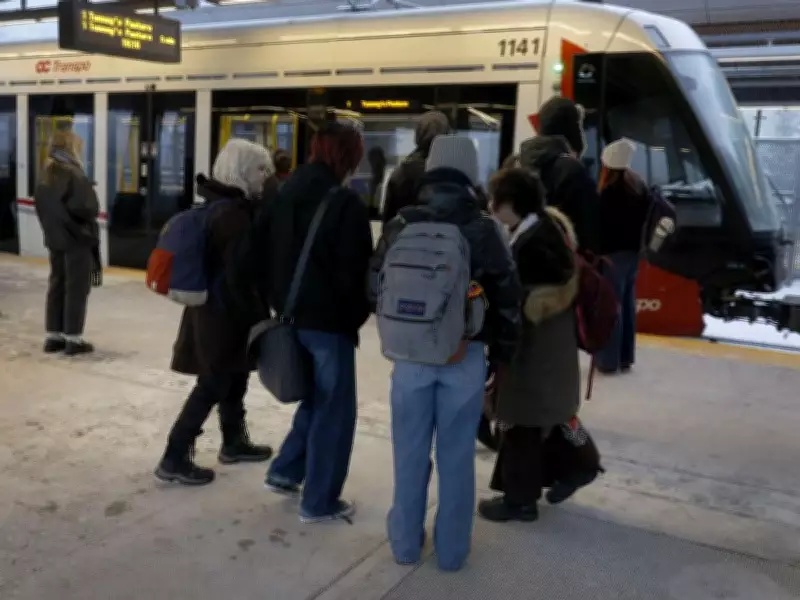
The motion introduced by Capital Councillor Shawn Menard specifically targets compensation scenarios for recent transit problems that have plagued Ottawa's public transportation system. These issues range from a shortage of available buses in OC Transpo's aging diesel fleet to delayed deliveries of new hybrid e-buses, along with persistent axle problems on the Confederation Line that have forced multiple train cars out of service for extensive inspections and repairs.
Menard's motion explicitly states that OC Transpo's bus service has been operating well below normal standards of reliability and capacity, attributing these shortcomings to delays in replacing aging vehicles, a critical shortage of mechanics, and insufficient advanced mitigation planning. Similarly, the O-Train Line 1 has been operating at reduced capacity levels, negatively impacting riders who depend on the integrated transit system for their daily commutes.

Exploring Compensation Mechanisms
The council motion suggests that compensation could take multiple forms, including direct refunds to riders, investments in capital improvements to boost system reliability, discounted future service options, or combinations of these approaches. Menard emphasized that the compensation exploration should focus primarily on funds being withheld from Rideau Transit Group (RTG) due to their contractual non-performance, rather than drawing from OC Transpo's operational budget.
"We've obviously seen a tremendous amount of concern from riders, from residents, as well as the additional congestion on our streets," Menard told council members. "In my ideal world, OC Transpo would come back with options for using funds it will be holding back from RTG because of service disruptions to consider options such as free transit when the east end extension launches, reliability improvements such as bus lanes, and potential future discounts to passes."
Transit Authority Response and Mayoral Position
OC Transpo interim general manager Troy Charter confirmed to council that the transit authority would indeed focus compensation exploration on funds withheld from RTG for their performance failures. "Any other cost would not have been contemplated in our budget, so funds for potential compensation would really be focused on any sort of operational savings as a result of non-payment to RTG," Charter explained during the council session.
Mayor Mark Sutcliffe expressed reservations about direct refunds to riders, stating that "would not be my preferred use of any funds that we have." However, he indicated openness to alternative ideas involving investments in service improvements and potentially offering free transit coinciding with the opening of the LRT east extension, suggesting a forward-looking approach to addressing rider concerns.
Establishing a Reliability Framework
In addition to the compensation exploration, council passed a separate motion from Knoxdale-Merivale Councillor Sean Devine calling for OC Transpo staff to evaluate and report back on the feasibility, implications, and potential models for establishing a comprehensive transit reliability and accountability framework. This framework would include:

- A review of global best practices in transit reliability
- Clear service expectations for Ottawa's public transportation system
- Enhanced public transparency regarding transit performance
- Customer-focused accountability mechanisms
The motion directed OC Transpo staff to report back to the transit commission in May with their findings and recommendations regarding both compensation options and the proposed reliability framework. This dual approach reflects council's recognition that both immediate compensation for past disruptions and long-term systemic improvements are necessary to restore public confidence in Ottawa's transit system.
The council's actions come amid mounting frustration from transit riders who have experienced repeated service disruptions across both bus and rail systems, highlighting the need for both accountability measures and tangible remedies for affected customers.