Ottawa Road Collisions Surge 6% in Early 2026, Prompting Safety Concerns
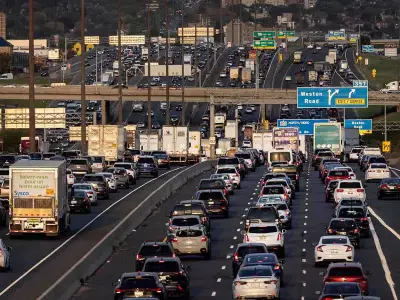
Ottawa has witnessed a troubling rise in traffic incidents during the initial months of 2026, with collisions on city roads increasing by 6% compared to the same period last year. This uptick has sparked renewed discussions about road safety measures, infrastructure maintenance, and driver behavior in the nation's capital.
Analyzing the Collision Data
The 6% jump represents a significant statistical shift that transportation experts are closely monitoring. While specific numbers were not detailed in the initial report, this percentage increase suggests hundreds of additional incidents across Ottawa's extensive road network. Factors contributing to this rise may include winter weather conditions, increased traffic volumes, and potential lapses in driver awareness.
Road safety advocates have expressed concern about this trend, noting that even small percentage increases can translate to substantial real-world consequences. "Every collision represents not just property damage, but potential injury or loss of life," one expert commented. "A 6% increase demands immediate attention and analysis."

Context and Comparative Analysis
This collision surge occurs against a backdrop of broader transportation challenges facing Canadian cities. Infrastructure strain from extreme weather events, evolving traffic patterns post-pandemic, and ongoing construction projects may all contribute to the complex road safety landscape. Ottawa's situation mirrors concerns in other municipalities where transportation officials are grappling with similar safety issues.
The timing of this report is particularly noteworthy as it comes during winter months when road conditions are typically more hazardous. Icy surfaces, reduced visibility, and shorter daylight hours traditionally contribute to increased collision rates during this season.
Potential Responses and Safety Initiatives
Transportation authorities are likely to examine multiple approaches to address this concerning trend:
- Enhanced traffic enforcement in high-incident areas
- Public awareness campaigns about defensive driving techniques
- Infrastructure improvements at known collision hotspots
- Data analysis to identify specific patterns in the increased incidents
Community safety organizations may also intensify their educational efforts, particularly focusing on vulnerable road users including pedestrians and cyclists who face disproportionate risks in collisions.
Looking Forward
As Ottawa moves further into 2026, transportation officials will be monitoring whether this early-year trend continues or stabilizes. The 6% increase serves as an important indicator that may prompt policy reviews, budget allocations for safety improvements, and renewed public dialogue about shared responsibility on roadways.
The coming months will be crucial for determining whether this represents a temporary fluctuation or the beginning of a more sustained pattern requiring substantial intervention. All road users are encouraged to exercise additional caution and awareness as authorities work to understand and address this safety concern.