Ottawa's ByWard Market Parking Garage Transitions to 3-Hour Pay-and-Display Ticketing
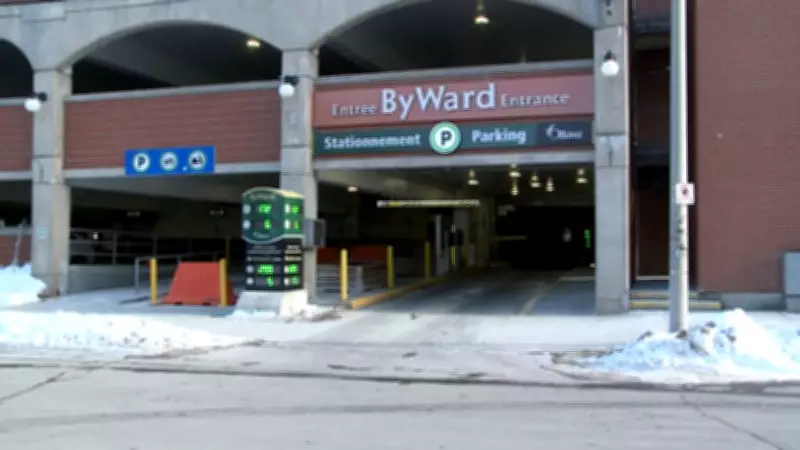
The City of Ottawa is implementing a significant change to parking operations in the historic ByWard Market district. The municipal government has announced plans to convert the gated parking garage on Clarence Street from its current system to a 3-hour pay-and-display ticketing model. This strategic shift aims to modernize parking infrastructure while addressing the evolving needs of visitors, residents, and local businesses in one of Ottawa's most vibrant commercial and tourist areas.
Details of the Parking System Overhaul
Under the new configuration, drivers will no longer encounter traditional entrance and exit gates at the Clarence Street facility. Instead, they will utilize pay-and-display machines to purchase timed parking tickets, which must be visibly placed on vehicle dashboards. The system will enforce a maximum stay of three hours, a duration carefully selected to balance turnover with visitor convenience. This approach aligns with urban parking management strategies that prioritize short-term parking to support retail and dining establishments while discouraging all-day commuter use.
Rationale Behind the Operational Change
City transportation officials cite multiple benefits driving this conversion. The pay-and-display model typically reduces congestion at garage entrances and exits, as vehicles can enter and depart without waiting for gate mechanisms. Additionally, the three-hour limit encourages more frequent turnover of parking spaces, potentially increasing availability for market visitors throughout the day. The system also offers greater flexibility for payment methods, potentially including mobile options in future phases. This change comes as Ottawa continues to refine its transportation network to accommodate both daily commuters and the seasonal influx of tourists to the ByWard Market.

Context and Community Impact
The ByWard Market, established in the 19th century, remains a cornerstone of Ottawa's cultural and economic landscape, featuring farmers' markets, specialty shops, restaurants, and entertainment venues. Parking accessibility directly influences the commercial vitality of this area. The transition to pay-and-display ticketing follows broader municipal efforts to optimize parking management across the city, including recent discussions about transportation capacity amid changing federal workplace policies. While some users may need to adjust to the new system, city planners anticipate it will create a more efficient and user-friendly parking experience, ultimately supporting the market's role as a premier destination.
Implementation timelines and specific operational details, such as hourly rates and enforcement procedures, are expected to be released by the city in the coming weeks. The conversion represents a tangible step in Ottawa's ongoing adaptation of urban infrastructure to meet contemporary demands while preserving the character of its historic districts.