Ottawa's Proposed City-Wide Ban on Right Turns at Red Lights Faces Safety Scrutiny
City staff in Ottawa have raised significant concerns about potential safety impacts stemming from a proposed city-wide ban on right turns at red lights. The warning comes as municipal officials examine comprehensive traffic management strategies aimed at improving urban mobility and pedestrian safety throughout the nation's capital.
Examining the Safety Implications
According to detailed analysis from Ottawa's transportation department, the blanket prohibition on right turns during red light phases could create unintended consequences for both vehicular traffic and pedestrian movement. The staff report specifically highlights "potential safety impacts" that require careful consideration before any city-wide implementation.
While the intention behind such bans typically focuses on protecting pedestrians and cyclists, Ottawa officials note that complete restrictions might lead to increased congestion at intersections, potentially causing frustrated drivers to make riskier maneuvers elsewhere in the transportation network. The analysis suggests that targeted, location-specific restrictions might prove more effective than a blanket city-wide approach.

Current Traffic Landscape and Precedents
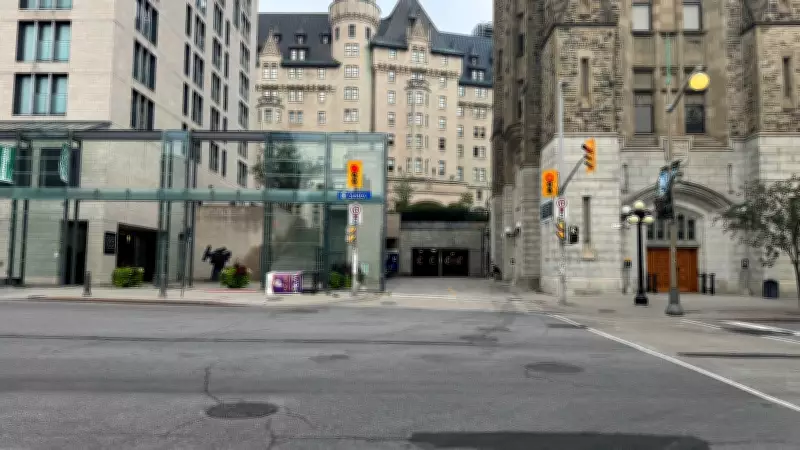
Ottawa already maintains specific no-right-turn-on-red restrictions at numerous high-traffic intersections, particularly in dense urban areas like the ByWard Market where pedestrian activity remains consistently high throughout the day and evening. These existing restrictions serve as valuable case studies for understanding how broader implementations might affect traffic patterns across different neighborhoods.
The city's examination comes amid growing national conversations about urban traffic management, with several Canadian municipalities reconsidering right-turn permissions at signalized intersections. Proponents of such bans argue they significantly reduce conflicts between turning vehicles and crossing pedestrians, particularly benefiting vulnerable road users including children, seniors, and individuals with mobility challenges.
Balancing Safety with Traffic Flow
Transportation experts emphasize that effective traffic policy requires balancing multiple competing priorities:
- Pedestrian safety enhancement through reduced vehicle-pedestrian conflicts
- Maintaining reasonable traffic flow to prevent excessive congestion
- Emergency vehicle access through unobstructed intersections
- Environmental considerations related to idling vehicles at intersections
Ottawa staff have indicated that any comprehensive right-turn ban would require extensive public consultation, detailed traffic modeling, and careful consideration of alternative safety measures that might achieve similar protective outcomes without the potential negative impacts on traffic circulation.
Looking Forward: Policy Development Process
The city's transportation committee is expected to review the staff analysis in coming weeks, with potential recommendations for city council consideration. Any proposed changes to right-turn regulations would likely undergo a phased implementation approach, beginning with pilot projects in selected areas before any city-wide expansion.
As Ottawa continues to grow and evolve, transportation officials emphasize that data-driven decision making remains crucial for developing policies that genuinely enhance safety while maintaining efficient movement throughout the urban environment. The ongoing examination of right-turn restrictions represents just one component of the city's broader commitment to creating safer, more accessible streets for all users.