The pilot who successfully executed an emergency landing of an Alaska Airlines Boeing 737 Max after a door plug explosively detached mid-flight is now publicly stating that the aircraft manufacturer unfairly attempted to shift blame onto him. The incident, which occurred on January 7, 2024, sparked a major aviation safety crisis and renewed scrutiny of Boeing's manufacturing processes.
A Crisis in the Cockpit
On that Sunday in early 2024, Alaska Airlines Flight 1282 experienced a sudden and violent decompression shortly after takeoff when a door plug section of the fuselage blew out. The pilot, whose name has not been officially released in this latest report, managed to maintain control of the aircraft and return it safely to Portland International Airport. There were no serious injuries among the 171 passengers and six crew members, a fact widely attributed to the crew's skilled handling of the emergency.
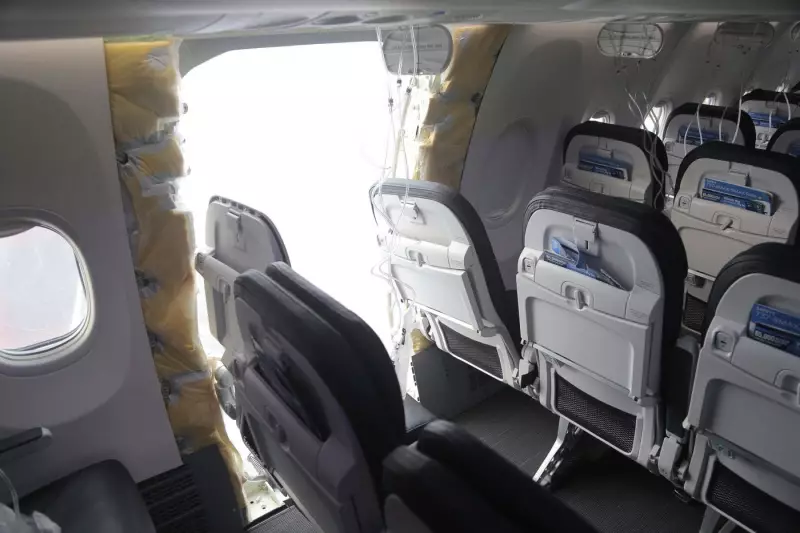
An image released by the National Transportation Safety Board (NTSB) from that day clearly shows the gaping hole left in the side of the aircraft. The NTSB's investigation quickly focused on the assembly of the door plug, which is used to seal an optional emergency exit on the 737 Max 9 model. According to the pilot's recent statements, during the aftermath of the investigation, Boeing representatives suggested that pilot error or operational factors may have contributed to the failure, a claim he vehemently denies.

Pilot Pushes Back Against Manufacturer Narrative
The aviator contends that Boeing's insinuations were an unjust effort to deflect responsibility from what investigators have primarily identified as manufacturing and quality control shortcomings. "They tried to point fingers at the crew to distract from the real problem," the pilot stated, emphasizing that the aircraft was operating normally until the catastrophic structural failure.
This public accusation adds a new layer of tension to the relationship between frontline aviation workers and one of the world's leading aerospace companies. It underscores the deep mistrust that has festered since the incident and the earlier 737 Max crises. The pilot's decision to speak out highlights the personal and professional stakes for crew members who are ultimately responsible for passenger safety in aircraft whose integrity they must trust implicitly.
Ongoing Repercussions for Boeing and Aviation Trust
The door plug blowout on Flight 1282 had immediate and far-reaching consequences. It led to the grounding and intensive inspection of hundreds of 737 Max 9 aircraft worldwide, revealing loose bolts and other installation issues on several planes. Regulatory agencies imposed stricter oversight on Boeing's production lines, and the company has faced relentless questioning from lawmakers, airlines, and the flying public.
The pilot's claim of being unfairly blamed suggests that the battle over narrative and accountability continues long after the physical investigation of the aircraft concluded. It raises critical questions about corporate accountability in complex technological industries and the protection of whistleblowers and operators who raise safety concerns. For the travelling public, especially in Canada where Boeing aircraft are ubiquitous, this story reinforces the importance of rigorous, transparent safety cultures at every level of aviation.
As Boeing works to rebuild its reputation, confrontations like this with the professionals who operate its jets present a significant challenge. The incident remains a pivotal case study in aviation safety, manufacturing ethics, and the courage of individuals who speak truth to power.