SkyTrain at 40: Vancouver Residents Reflect on Rapid Transit's Transformative Legacy
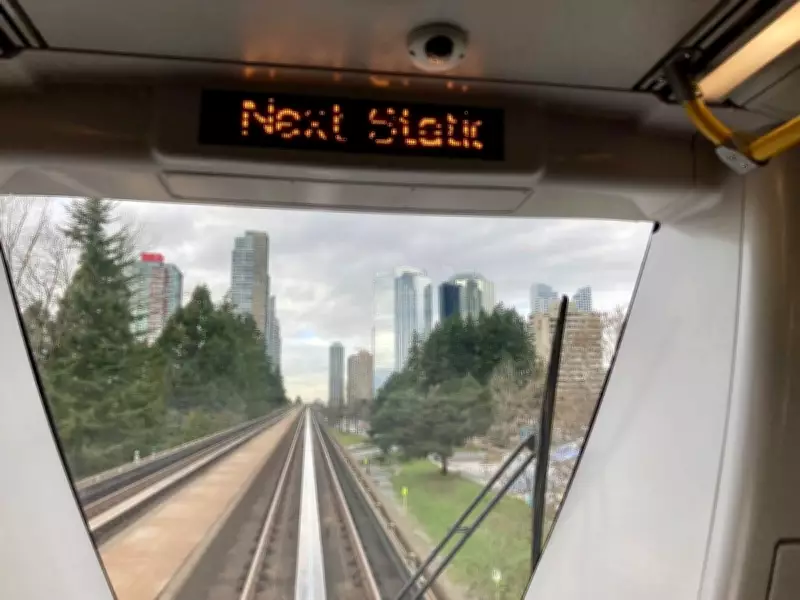
Imagine a Metro Vancouver without SkyTrain. No towering highrises clustering around Burnaby Metrotown. No elevated views overlooking suburban backyards. No bustling station at Science World. No sleek SkyBridge arching across the Fraser River. This iconic rapid transit system, which first opened in 1986, has fundamentally reshaped the region over the past four decades.
From Promise to Reality: The SkyTrain Evolution
Metro Vancouver's inaugural SkyTrain line, a 21-kilometer route stretching from downtown Vancouver's waterfront to North Surrey, was constructed by the Social Credit government at a cost of $854 million. Today, that figure might elicit a wry smile, given the system's massive expansion. The network now extends four times its original length, reaching Richmond, Coquitlam, and beyond, with ongoing extensions to Langley City and along Vancouver's Broadway corridor.
TransLink reports that 1.5 million people board SkyTrain weekly, giving it the second-highest per capita ridership in Canada. This represents a monumental shift from the pre-SkyTrain era, when Burnaby's Metrotown was a lowrise expanse of retail stores and three-storey rental buildings, and the region's tallest structure was the 35-storey Park Place at 666 Burrard Street.

Public Sentiment: Then and Now
Media reports from the early 1980s, including those by journalist Douglas Todd, revealed widespread excitement about the promised rapid transit system ahead of Vancouver's Expo 86 world's fair. In 1982, Todd interviewed 25 residents for the Columbian newspaper, with the resulting article headlined "Rapid transit brings gleam to residents' eyes."
One interviewee, Morris Crandall of New Westminster—born in 1909 when horse and buggy dominated transportation—expressed optimism about SkyTrain "livening the place up a bit with some people." His prediction proved accurate: New Westminster transformed into one of Canada's fastest-growing cities and now ranks as the nation's second densest municipality after Vancouver.
Metro Vancouver's population has surged to 3.1 million from just 1.3 million before SkyTrain's arrival, with politicians intensifying density around stations, resulting in hundreds of towers soaring above the original 35-storey benchmark.
Mixed Perspectives on Urban Transformation
While early enthusiasm focused on SkyTrain's potential to boost property values—with hotel owner Don Sears joking about demanding "a couple of million" from transit authorities—current resident perspectives reveal more nuanced assessments. People now weigh in with both affection and grievances regarding how SkyTrain has impacted daily commuting, population growth patterns, property valuation dynamics, traffic congestion, urban panhandling, and highrise development.
Although only a minority initially expressed concerns about neighborhood disruption and noisy transit cars, contemporary discussions acknowledge both the system's achievements and its challenges. SkyTrain has undeniably accelerated urban intensification while simultaneously reshaping how residents navigate the growing metropolitan area.
The system's legacy continues to evolve as extensions progress, ensuring SkyTrain remains central to Metro Vancouver's transportation narrative and urban development trajectory for decades to come.