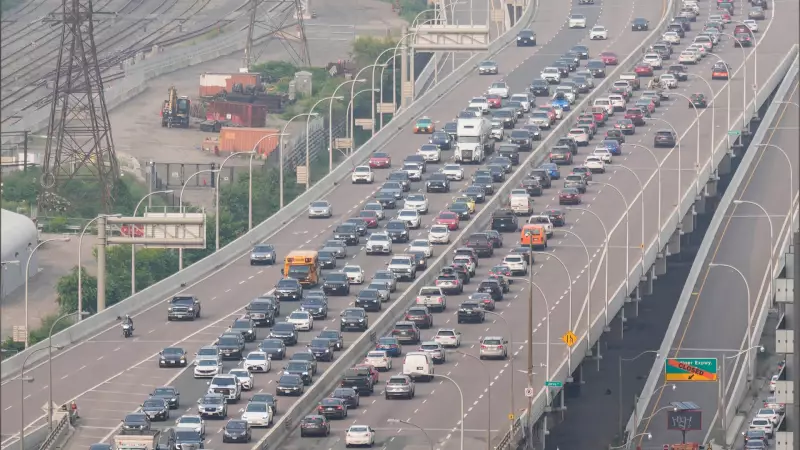
Toronto residents are experiencing significantly longer and more stressful commutes as return-to-office mandates continue to reshape the city's transportation patterns. The shift away from remote work arrangements has brought renewed congestion to major thoroughfares, including the heavily trafficked Gardiner Expressway.
The Growing Commuting Challenge
Recent months have seen a substantial increase in vehicular traffic throughout Toronto's road network. The Gardiner Expressway, a critical east-west artery through the city, has returned to pre-pandemic congestion levels according to transportation analysts. Morning and evening rush hours now extend beyond traditional timeframes, creating frustration for thousands of daily commuters.
Many employees who grew accustomed to remote work during the pandemic are now adjusting to the reality of daily office attendance. This transition has not been seamless, with numerous workers reporting commute times that exceed their pre-2020 experiences. The combination of increased personal vehicle usage and ongoing public transportation challenges has created a perfect storm for commuting difficulties.

Impact on Workers and Families
The extended commute times are having tangible effects on Toronto residents' quality of life. Workers report leaving home earlier and returning later, reducing time available for family activities, personal pursuits, and household responsibilities. The financial burden of commuting has also resurfaced, with costs for fuel, public transit, and vehicle maintenance adding pressure to household budgets.
Parents in particular face additional challenges, needing to coordinate school drop-offs and pick-ups around increasingly unpredictable travel times. The loss of flexibility that remote work provided has become particularly apparent for caregivers and those with long-distance commutes from suburban areas into the city core.
Seeking Commuter Stories
Journalists are actively collecting experiences from Toronto residents affected by these commuting changes. Jermaine Wilson published an initial call for stories on November 19, 2025, inviting commuters to share how return-to-office mandates have impacted their daily travel routines. The response has highlighted diverse challenges across different neighborhoods and transportation methods.
Transportation experts suggest that the current situation may require new approaches to urban mobility. Some propose that hybrid work arrangements could help alleviate congestion while still maintaining workplace collaboration. Others advocate for accelerated investment in public transportation infrastructure to better accommodate the renewed demand.
As Toronto continues to navigate this transition, the conversation around sustainable commuting solutions remains critical for the city's future development and residents' quality of life.