Toronto Moves to Fix Finch West LRT Signal Priority After Slow Travel Complaints
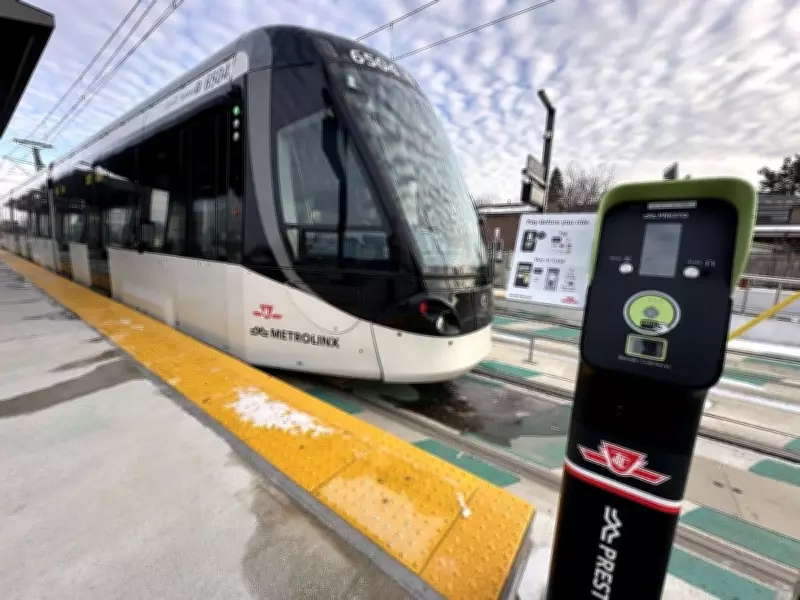
The City of Toronto is advancing plans to install transit signal priority on the newly-opened Line 6 Finch West LRT, addressing widespread complaints about sluggish travel times that emerged shortly after the line's debut in December 2025. The 11-kilometer light rail transit line, which runs from Finch West station to Humber College with 18 stops, has faced criticism for delays, particularly at street-level intersections where trains lack priority signaling.
Complaints Reach Comical Proportions
Among the most notable incidents highlighting the line's inefficiencies was a Toronto resident who posted online videos demonstrating that he could outpace the Finch West LRT on foot by over 18 minutes. This viral example underscored the frustration among commuters, with data from the City of Toronto revealing that the line experienced 350 delays in December alone. End-to-end transit times have ranged from 50 to 55 minutes, despite official documents promising journeys of just over 30 minutes for the 10.3 km route.
Mayor Chow's Spring Deadline
In response to these issues, Toronto City Council adopted a motion tabled by Mayor Olivia Chow to accelerate the implementation of "more aggressive" and "active" transit signal priority at surface intersections. During a news conference, Chow stated that she hopes the installation will be complete by the spring of 2026, aiming to have all signal priorities integrated before the FIFA World Cup. "Before the FIFA World Cup, we'll have all the signal priorities into the track," she told reporters, emphasizing the urgency of the improvements.

Specific Locations Targeted for Upgrades
City officials have identified three key locations along the Finch West LRT where work is underway to install the signal priority technology: Islington, Duncanwoods station, and Pearldale Ave. This technology is designed to give trains preference over left-turning vehicles at above-ground level crossings, potentially reducing delays and improving overall travel efficiency. The Finch West LRT is jointly operated by the City of Toronto, the Toronto Transit Commission (TTC), and Metrolinx, with collaboration essential for the successful rollout of these enhancements.
Broader Transit Challenges in Toronto
Similar complaints regarding intersection tie-ups have been reported on the newly-opened Line 5 Eglinton Crosstown LRT, though to a lesser extent, as significant portions of that line operate underground. TTC chairman and Toronto city councillor Jamaal Myers has acknowledged the issues, stating in December that "riders are right to expect better. Rapid transit must be rapid." He highlighted the $3.5 billion investment in the Finch West LRT, stressing that slow transit times are "unacceptable" and could lead to increased car usage and worsened congestion if not addressed promptly.
Looking Ahead
The push for signal priority upgrades reflects a broader commitment to improving public transportation in Toronto, ensuring that major investments like the Finch West LRT deliver on their promises of efficient and reliable service. As work progresses, city officials and transit authorities will monitor the impact of these changes, with the goal of enhancing commuter experiences and supporting sustainable urban mobility in the Greater Toronto Area.