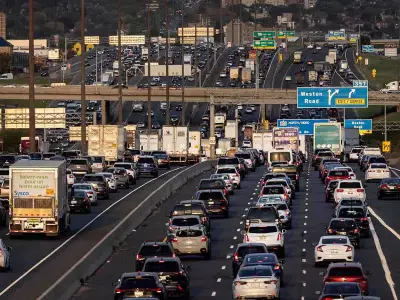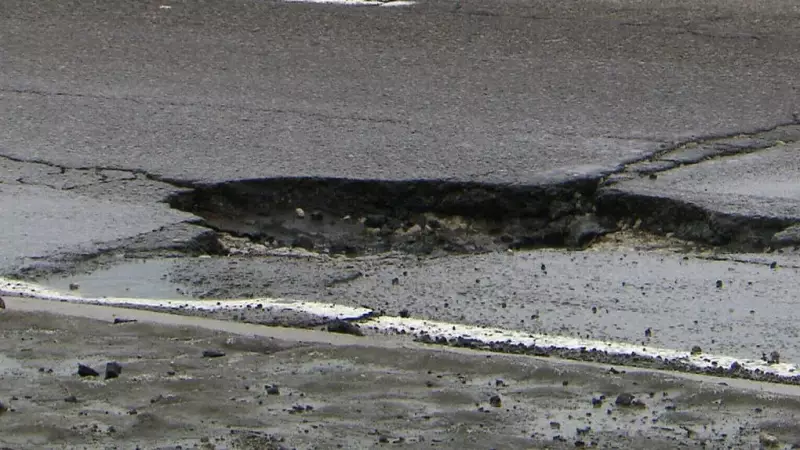
The City of Toronto has mobilized its crews for a significant, coordinated effort to tackle one of winter's most persistent nuisances: potholes. Announced on January 10, 2026, this citywide repair blitz aims to address the surge in road damage caused by seasonal freeze-thaw cycles.
What Triggers the Annual Pothole Surge?
Potholes are a perennial problem in Canadian cities, and Toronto is no exception. The primary culprit is the winter weather. Water seeps into small cracks in the asphalt. When temperatures drop, this water freezes and expands, widening the cracks. Subsequent thaws and the constant pressure from traffic cause the pavement to break apart, creating the all-too-familiar craters that challenge drivers and cyclists.
The city's transportation services department proactively monitors and repairs roads year-round, but the early-year blitz represents an intensified, focused campaign to get ahead of the problem as conditions worsen.

How Toronto Residents Can Assist the Effort
Public cooperation is a key component of the blitz's success. The city is encouraging residents to be its "eyes on the street" to help identify and prioritize repairs. Toronto has streamlined the process for reporting potholes and other road hazards.
Citizens can report potholes directly through the City of Toronto's 311 service. This can be done online via the 311 website, through the 311 mobile app, or by simply calling 311. When making a report, it is helpful to provide as much detail as possible, including:
- The precise location (address, intersection, or nearest landmark).
- The approximate size and depth of the pothole.
- Any immediate safety concerns it presents.
This information allows crews to efficiently schedule and dispatch repair teams to the most critical locations first.
The Repair Process and City Commitments
Once a pothole is reported and assessed, city crews follow a standardized repair procedure. The area around the pothole is cleaned, and a hot or cold asphalt patch is applied, depending on the time of year and available materials. The patch is then compacted to create a smooth, safe driving surface.
The city maintains a service standard for pothole repairs, typically aiming to address reported hazards within a specific timeframe, often ranging from 4 to 30 days based on the severity and location. A coordinated blitz like this one helps improve response times by concentrating resources.
This annual initiative underscores the ongoing challenge and significant cost of maintaining urban infrastructure in Canada's climate. While not a permanent fix, timely repairs are crucial for public safety, preventing vehicle damage, and preserving the road network. The City of Toronto's call for public assistance highlights a collaborative approach to managing a shared municipal responsibility.