TransLink Greenlights Fare Increases for Metro Vancouver Transit Riders
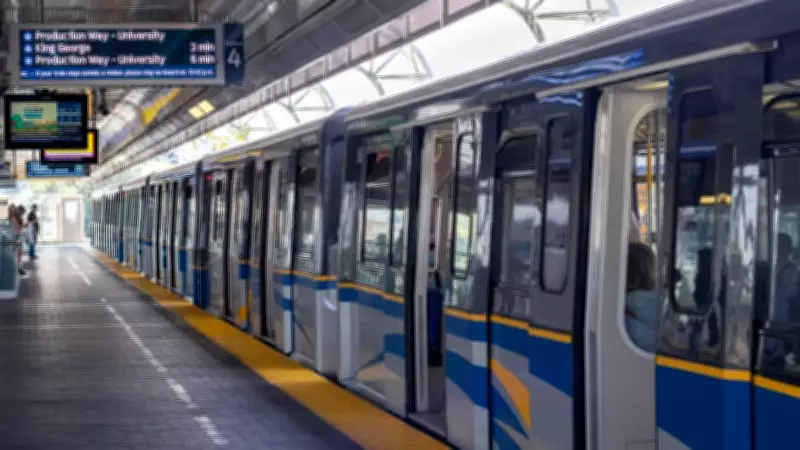
Metro Vancouver's regional transit authority, TransLink, has officially approved a series of fare increases across its extensive network. This decision will affect all modes of public transportation, including the SkyTrain, buses, and SeaBus services, marking a significant shift for daily commuters and occasional riders alike.
Details of the Approved Fare Adjustments
The approved fare hikes are set to be implemented in phases over the coming months. While specific percentage increases vary by fare type and zone, the overall adjustment is designed to generate additional revenue for TransLink. This move comes as the authority grapples with rising operational costs and the need for infrastructure upgrades to accommodate growing ridership demands.
Key aspects of the fare changes include:

- Increases for single-ride tickets across all zones.
- Adjustments to monthly pass prices for regular commuters.
- Revised rates for concession fares, impacting seniors, students, and individuals with disabilities.
- Potential modifications to the Compass Card pricing structure.
Rationale Behind the Decision
TransLink officials have cited several factors necessitating the fare increases. Budgetary pressures from inflation, labor costs, and maintenance expenses have created a financial shortfall that requires addressing. Additionally, the authority aims to fund critical system expansions and service enhancements, such as new SkyTrain lines and increased bus frequency in underserved areas.
The decision follows extensive internal reviews and consultations, though it has sparked debate among transit advocates and the public. Proponents argue that the increases are essential for maintaining and improving service quality, while critics express concerns about affordability for low-income residents and the potential impact on ridership numbers.
Broader Implications for Metro Vancouver
This fare adjustment occurs within a broader context of urban development and transportation policy in Metro Vancouver. As the region continues to grow, balancing accessible public transit with sustainable funding remains a persistent challenge. The increases may influence commuting patterns, with some riders potentially seeking alternative transportation options.
TransLink has emphasized that revenue from the fare hikes will be directed toward operational stability and future projects aimed at reducing congestion and promoting environmental sustainability. However, the authority also faces ongoing scrutiny regarding its financial management and long-term planning strategies.
As these changes take effect, stakeholders will closely monitor their impact on transit usage, customer satisfaction, and the overall health of Metro Vancouver's public transportation ecosystem.