A truck driver operating in the Quebec City area has been slapped with a substantial $6,000 fine after authorities discovered he had been behind the wheel for a staggering 32 hours without taking the legally required rest break. This incident underscores the critical importance of adhering to driving hour regulations designed to prevent fatigue-related accidents on Canada's roads.
Serious Safety Violation in Harsh Conditions
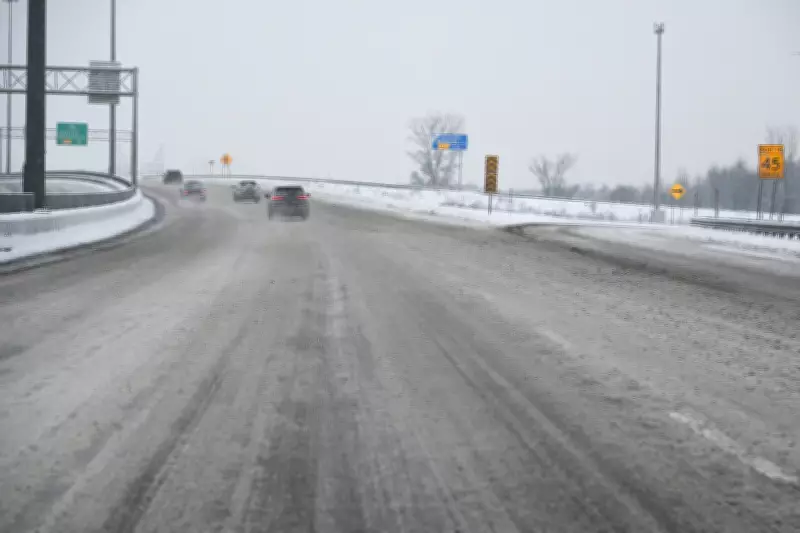
The violation occurred during winter, a period when road conditions in Quebec are often treacherous due to snow and ice. Driving for such an extended duration without rest significantly increases the risk of accidents, especially in challenging weather. Fatigue impairs reaction times, decision-making, and overall alertness, making it a leading cause of collisions in the transportation industry.
Legal Framework and Enforcement
In Canada, commercial truck drivers are subject to strict hours-of-service rules under federal and provincial regulations. These rules mandate maximum driving times and minimum rest periods to ensure driver safety and public security. Typically, drivers must take at least 10 hours off duty after a maximum of 13-14 hours of driving, depending on specific provisions.

The $6,000 fine reflects the severity of this breach, which involved driving for more than double the allowable limit without a break. Such penalties are enforced to deter similar violations and emphasize the legal and ethical responsibilities of drivers and their employers.
Broader Implications for Road Safety
This case highlights ongoing concerns about compliance with safety standards in the trucking sector. Fatigue-related incidents can have devastating consequences, including fatalities, injuries, and property damage. Authorities stress that both drivers and companies must prioritize rest and adhere to regulations to protect all road users.
Experts note that while economic pressures might tempt drivers to exceed limits, the risks far outweigh any perceived benefits. Enhanced monitoring and education are crucial to fostering a culture of safety within the industry.
As winter conditions persist in regions like Quebec, this incident serves as a stark reminder of the need for vigilance and adherence to safety protocols to prevent avoidable tragedies on the highways.