TTC Unveils Strategy to Revive Ridership with Service Enhancements
The Toronto Transit Commission (TTC) is considering significant service improvements, including enhanced streetcar operations and earlier Sunday morning subway starts, as part of a new initiative to increase public transit usage. These proposals are outlined in the agency's recently released 2026-2028 Ridership Growth Strategy report, which aims to address persistent ridership challenges.
Current Ridership and Financial Challenges
According to the report, TTC ridership currently stands at approximately 80 to 83 percent of 2019 levels, reflecting a slow recovery from the pandemic's impact. Financially, the situation is stark: revenue has plummeted by 92 percent compared to seven years ago, while costs have surged by 137 percent. This has led to a decline in the cost-recovery ratio, dropping from 65-70 percent in 2019 to just 46 percent last year, creating what the report describes as "challenges" to financial stability.
The report identifies several key factors contributing to the ridership slump:

- Fewer long-distance bus riders
- Reduced discretionary trips
- Decreased usage by shift workers in manufacturing and warehousing sectors
- Lower commuter traffic to businesses in education, administrative support, real estate, and retail trade
Proposed Initiatives to Attract Riders
To counteract these trends, the TTC is focusing on making its services more appealing to existing and potential customers. The strategy emphasizes that growth should come from ensuring the TTC is "the most attractive, reliable and competitive option" for current travel needs, rather than trying to create new demand where it no longer exists.
Key proposals include:
- Earlier Sunday Subway Starts: Moving the Sunday morning subway start time from the current 8 a.m. to an earlier hour by 2028, with an estimated cost of $2.9 million.
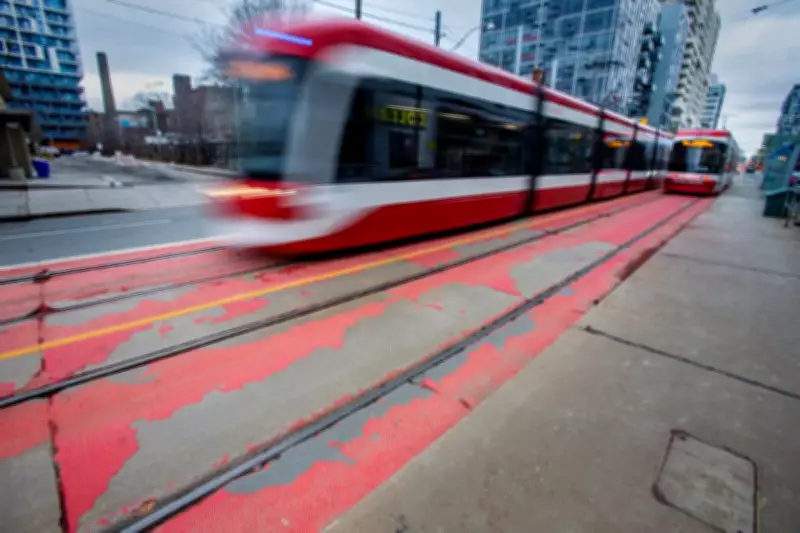
- Improved Streetcar Service: Increasing streetcar frequency from the typical 10-minute intervals to every six minutes by 2028, at a projected cost of $23.9 million.
The report argues that by enhancing speed, safety, affordability, and overall seamlessness of the transit experience, the TTC can divert trips from private vehicles and rideshare services, thereby increasing its mode share while retaining current customers.
Customer Satisfaction and Safety Perceptions
Customer satisfaction declined in 2025, particularly among priority groups such as Gen Z, shift workers, women, and low-income individuals. However, safety perceptions remain relatively positive, with 89 percent of customers reporting they feel safe on TTC vehicles and 77 percent feeling safe at stops, though the report notes there is room for improvement in these areas.
Financial Implications and Broader Context
Implementing the full strategy is estimated to increase the TTC operating budget by approximately $73 million by 2028. These service initiatives, if adopted, would require approval as part of the 2027 budget process. Importantly, the report cautions that "growing ridership is not a solution to fiscal sustainability." It stresses that fare revenue only covers a portion of operating costs, and even strong ridership growth cannot fully close the structural funding gap without a stable financial model and cost management measures.
The report concludes, "Fiscal sustainability requires a stable funding model and cost management alongside ridership growth. Ridership helps, but it is not a substitute for addressing the structural fiscal imbalance." TTC staff are scheduled to present the strategy to the TTC board later this month for further discussion and potential implementation.