The ongoing U.S. federal government shutdown has created significant disruptions in air travel operations, raising concerns among Canadian travelers about potential impacts on their transportation plans and holiday travel arrangements.
Airport Chaos and Travel Uncertainty
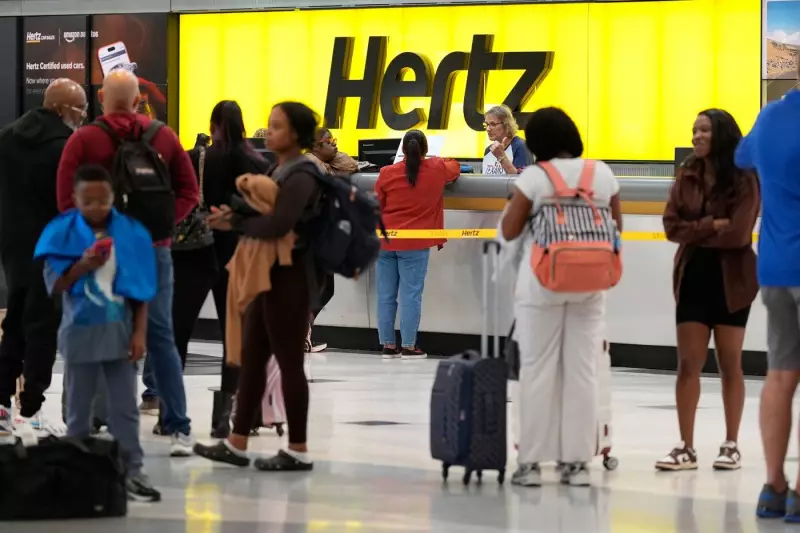
Travelers faced lengthy queues and operational challenges at major American airports, including George Bush Intercontinental Airport in Houston, where scenes of crowded rental car centers and passenger frustration emerged on Friday, November 7, 2025. The shutdown has affected key aviation personnel, including air traffic controllers and security screening staff, leading to reduced flight capacity and increased delays.
Photographic evidence from Houston showed substantial lines forming at rental car facilities, suggesting that some travelers are already seeking ground transportation alternatives as air travel becomes increasingly unreliable. The timing of these disruptions raises particular concerns with the holiday travel season rapidly approaching.

Potential Shift to Alternative Transportation
Industry analysts are monitoring whether the air travel challenges will drive increased demand for car rentals and train services among travelers moving between Canada and the United States. Canadian travelers planning trips south of the border may need to reconsider their transportation options as the shutdown continues without a clear resolution timeline.
The situation creates additional complications for cross-border travel, which already involves customs and immigration procedures that could be affected by reduced staffing levels. Travel experts suggest that Canadians with upcoming U.S. travel plans should monitor the situation closely and consider flexible booking options.
Broader Implications for North American Travel
The air travel disruptions come at a sensitive time for the transportation industry, which had been experiencing a post-pandemic recovery. The shutdown-related challenges could have ripple effects throughout North American travel networks, potentially affecting connecting flights and international travel routes that pass through U.S. airspace.
Canadian airports with frequent U.S. connections may experience secondary impacts as flight reductions and schedule changes take effect. Travel industry representatives are urging both governments to consider the cross-border economic implications of prolonged travel disruptions, particularly with the busy Thanksgiving and winter holiday periods approaching.
As the situation develops, transportation analysts will be watching key indicators including rental car reservation patterns, Amtrak booking numbers, and border crossing statistics to gauge how travelers are adapting to the new reality of government-induced travel challenges.