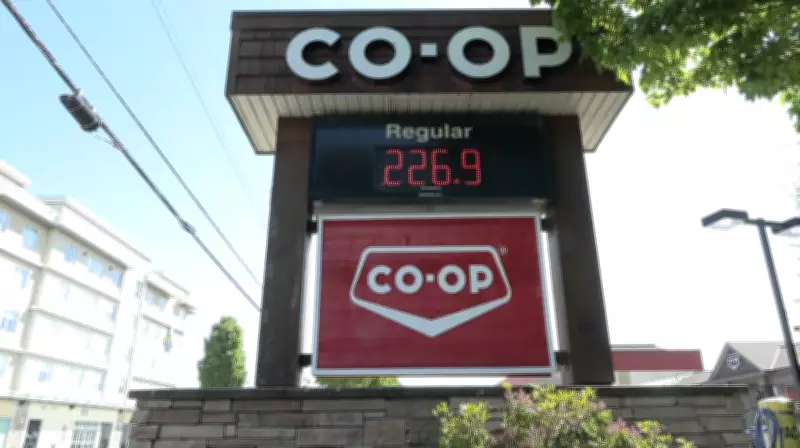
Gas prices on Vancouver Island have surged to 226.9 cents per litre as of May 5, 2026, and an industry expert warns that further increases are likely in the foreseeable future. The record-high prices are attributed to a combination of global crude oil costs, refinery constraints, and seasonal demand shifts.
Expert Analysis on Rising Fuel Costs
According to fuel price analyst Dan McTeague, the current spike is not an anomaly but part of a broader trend affecting the region. He noted that while prices typically rise ahead of summer driving season, this year's jump is steeper than usual due to tight supply and geopolitical tensions affecting oil markets.
“We’re seeing a perfect storm of factors that will keep prices high,” McTeague said. “Refineries are operating at reduced capacity, and there’s no immediate relief in sight from global markets.” He added that motorists should expect prices to remain elevated through the summer months.

Impact on Consumers and Businesses
The price increase is already affecting household budgets and local businesses. Many commuters are feeling the pinch, with some considering alternative transportation options. Small business owners, particularly those reliant on transportation, are concerned about rising operational costs.
“I’m spending an extra $50 a week on fuel just to get to work,” said Victoria resident Sarah Chen. “It’s becoming a real burden.” Local delivery services and tradespeople are also reporting higher expenses, which may be passed on to customers.
Broader Context and Government Response
The price hike comes amid a national discussion on fuel affordability and energy policy. Provincial officials have acknowledged the issue but have not announced immediate measures to lower prices. Some advocates are calling for temporary tax relief or increased investment in public transit to mitigate the impact.
Meanwhile, the trend mirrors global patterns, with oil prices hovering near multi-year highs. Analysts suggest that unless supply chains stabilize or alternative energy sources are adopted more widely, consumers may face sustained high costs.
For now, Vancouver Island residents are advised to budget for higher fuel expenses and explore fuel-saving strategies, such as carpooling or using public transportation where possible.