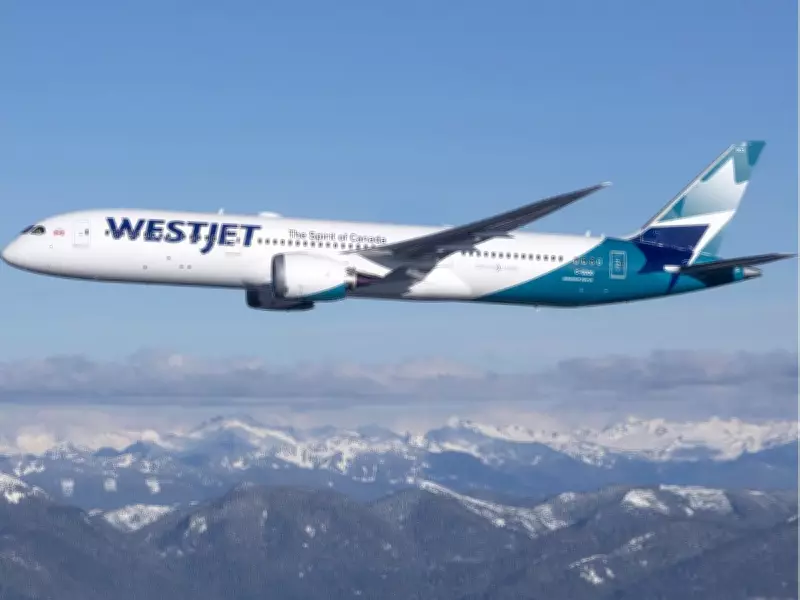
As jet fuel prices continue their dramatic ascent, Canadian airlines are implementing significant operational changes, ranging from flight reductions to the introduction of new surcharges. WestJet has officially confirmed that several Edmonton routes will face capacity cuts this spring, a direct response to fuel costs that have more than doubled since the onset of the Iran conflict.
Strategic Adjustments to Manage Soaring Expenses
WestJet spokesperson Julia Kaiser detailed the airline's position in a statement to Postmedia, explaining, "Fuel prices continue to rise, and as a result we have adjusted our flying to align with demand and best manage associated fuel costs." The strategy involves consolidating flights on routes with lower demand and modifying the scheduling for seasonal services. Specifically, WestJet has reduced its overall network capacity by approximately one percent in April and three percent in May, with Edmonton operations included in these reductions.
Kaiser emphasized that most passengers affected by these schedule changes have been offered alternative travel options on the same day as their originally booked departures. This move follows WestJet's earlier announcement regarding fuel surcharges applied to tickets purchased using discounted companion vouchers, though standard fare tickets remain unaffected.

Industry-Wide Pressures and Responses
The aviation sector is grappling with similar challenges globally. Despite WestJet's recent expansion of its codeshare partnership with Scandinavian airline SAS in late March, SAS itself has declared plans to cut its flight operations by up to 1,000 flights to counteract rising fuel expenses. Air Canada has also acknowledged the substantial pressure from escalating global jet-fuel prices, describing the situation as "highly volatile and unpredictable."
In a corporate statement, Air Canada noted, "Fares vary by market and are influenced by a range of factors, including supply and demand, operating costs such as fuel, seasonality and various market dynamics. Specifically, pricing has been and continues to be adjusted to reflect these higher fuel costs while delivering the reliable service and network Canadians depend on. Overall, travel demand remains resilient." However, travel industry insiders have warned that Air Canada is preparing to implement a $50 fuel surcharge on tickets to select sun destinations beginning this week.
Alberta Tourism Maintains Positive Outlook
Despite the airline industry's adjustments, Alberta's tourism sector remains bullish about its prospects. Recent reports highlight the return of international tourists to the province, with visitor spending now surpassing pre-pandemic levels. Tourism officials are actively promoting destinations like Jasper, aiming to attract visitors by emphasizing safety and welcoming environments.
Statistical data from the Alberta Tourism dashboard reveals a contrasting trend between the province's two major airports. In January 2026, international arrivals at Calgary International Airport increased by 11.6 percent compared to January 2025, with a further 7.3 percent rise in February. Conversely, Edmonton experienced a decline, with international arrivals down 4.7 percent in January and 6.3 percent in February. This divergence underscores the localized impact of airline network adjustments while the broader tourism economy demonstrates resilience.
The ongoing situation illustrates the complex balance airlines must strike between managing operational costs and maintaining service reliability. As fuel prices remain a critical variable, further industry adaptations may be necessary, yet the enduring strength of travel demand and Alberta's tourism appeal suggest a foundation for continued growth amidst these challenges.