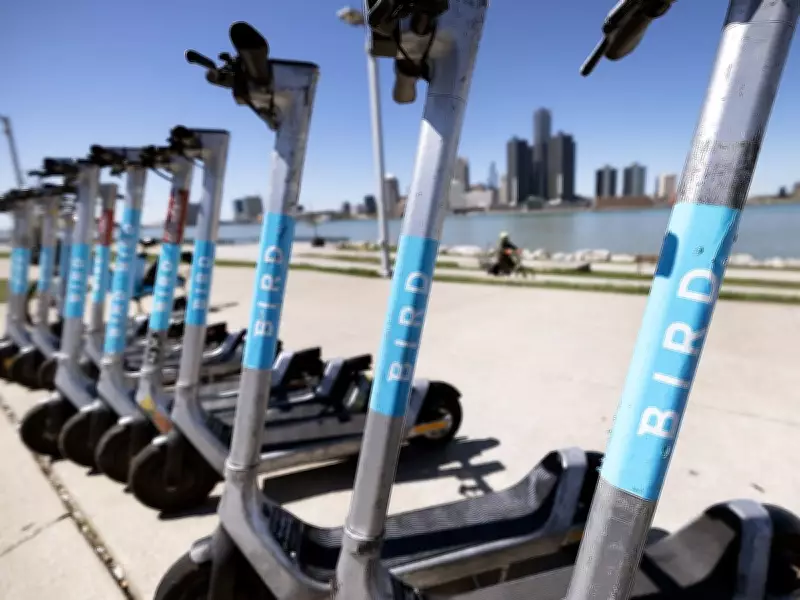
Windsor's Bird Canada E-Scooter and E-Bike Program Faces Uncertain Future
The City of Windsor's pilot program with Bird Canada, which has provided residents with electric bikes and scooters for the past five years, may be discontinued after the agreement expires. The program, which allowed users to rent devices via a smartphone app, has been a popular mobility option in the border city since its launch in May 2021.
Potential Service Disruption
This month, the City of Windsor announced that its agreement with Bird Canada was set to expire, after which the e-scooters and e-bikes would become unavailable. The pilot program typically operated from mid-spring to mid-fall each year, with users paying $1.15 to unlock a device and $0.42 per minute during use.
However, both parties are engaged in ongoing discussions to potentially reinstate these micromobility services in the future. The city stated in a written release that conversations are continuing, while Bird Canada expressed optimism about reaching a new agreement soon.

Essential Transportation Service
Patrick Graham, general manager of Bird Canada, emphasized the program's importance as a transportation service, particularly for lower-income residents. "We see this as an essential transportation service, particularly for lower-income residents who rely on it as an affordable way to get to work, school, and meet their daily needs," Graham told media outlets.
He noted that in Windsor, a significant portion of frequent riders earn under $50,000 annually, making access to low-cost mobility options critical since many in this group do not have access to personal vehicles.
Program Success and Safety Record
Graham described the five-year pilot in Windsor as a success, with the company "very interested" in continuing to offer both e-scooters and e-bikes. The program has enabled close to 100,000 trips annually, supported local economic activity, and maintained what the company calls a strong safety record.
"The program has enabled close to 100,000 trips annually, supported local economic activity, and maintained a strong safety record, with fewer than one in 100,000 trips resulting in a medical incident," Graham explained. "In other words, 99.999 percent of trips ended safely during the pilot period."
He added that the service has provided a reliable, affordable transportation option for residents who may not otherwise have access to a car, helping them stay connected to jobs and services across the city.
Ongoing Negotiations
While there may be a temporary pause as the pilot concludes, Graham expressed hope that it would be short-lived. "We are optimistic that a new agreement can be put in place soon," he said, noting that conversations with the city "have been positive and constructive."
The potential removal of these devices from Windsor roads comes at a time when cities across Canada are evaluating the role of micromobility solutions in urban transportation networks. The outcome of Windsor's negotiations with Bird Canada could set a precedent for similar programs in other municipalities facing decisions about sustainable transportation alternatives.