Report: Subsidized Yarmouth Ferry to Maine Remains Economically Beneficial
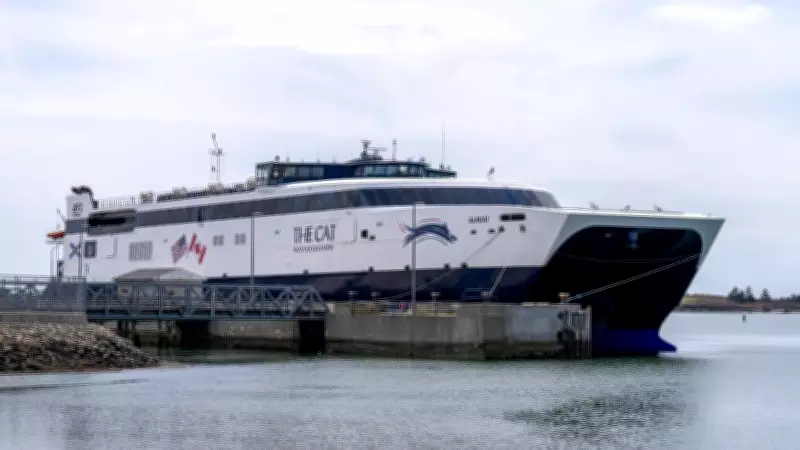
A recently released report has concluded that the subsidized CAT ferry service operating between Yarmouth, Nova Scotia, and the state of Maine continues to generate substantial economic benefits, justifying the ongoing public investment. The findings come as the service, a fast ocean-going catamaran capable of carrying both vehicles and passengers, remains a critical transportation link for the region.
Economic Impact and Regional Connectivity
The report highlights that the ferry service, which has received government subsidies to maintain operations, contributes significantly to local economies on both sides of the border. It facilitates tourism, supports businesses, and enhances trade between Atlantic Canada and the northeastern United States. The CAT ferry, berthed in Yarmouth, has been operational since its reintroduction, with data showing consistent passenger and vehicle traffic that bolsters regional economic activity.
Key findings from the report indicate that the service has helped sustain jobs in hospitality, retail, and transportation sectors. Additionally, it provides a vital alternative to land-based travel, reducing congestion on highways and offering a scenic route for travelers. The analysis suggests that the economic returns outweigh the costs of subsidies, making it a worthwhile investment for public funds.

Background and Operational Details
The CAT ferry service has a storied history, with periods of suspension and revival based on economic viability and government support. The current iteration, which resumed operations after a hiatus, has been bolstered by subsidies to ensure affordability and accessibility for users. The report notes that without such financial backing, the service might struggle to remain competitive, potentially leading to negative repercussions for the regional economy.
Officials have emphasized the importance of maintaining this maritime connection, citing its role in promoting cross-border tourism and cultural exchange. The ferry operates seasonally, typically from spring to fall, catering to both leisure and commercial travelers. Its capacity to carry vehicles makes it particularly attractive for families and businesses transporting goods.
Future Prospects and Recommendations
Looking ahead, the report recommends continued monitoring of the ferry's performance and exploring opportunities to enhance its efficiency and appeal. Suggestions include potential route expansions, marketing initiatives to attract more international tourists, and partnerships with local businesses to create package deals. The goal is to further increase ridership and maximize economic benefits while minimizing reliance on subsidies over the long term.
In conclusion, the subsidized Yarmouth ferry to Maine stands as a testament to the value of strategic public investments in transportation infrastructure. As the report affirms, it remains a paying proposition, delivering tangible economic gains that resonate throughout Nova Scotia and beyond.