U.S. Defense Department Ends Longstanding Partnership with Harvard University
In a significant policy shift, the Pentagon has officially announced it is cutting all ties with Harvard University, effectively discontinuing military training programs and fellowships at the prestigious Ivy League institution. The decision, confirmed by defense officials, marks a dramatic end to a longstanding relationship between the U.S. military and one of America's most prominent universities.
Defense Secretary Cites Ideological Differences
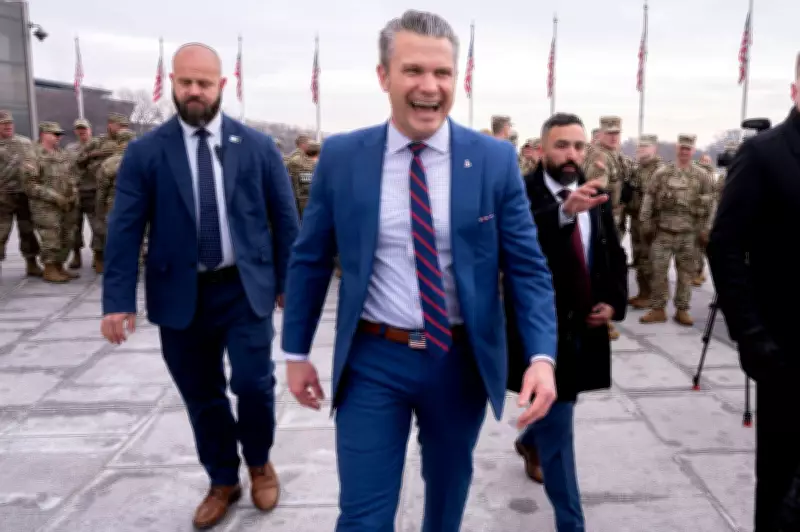
The announcement comes directly from Defense Secretary Pete Hegseth, who has been vocal about his concerns regarding what he describes as 'woke' ideologies permeating higher education institutions. Secretary Hegseth made the declaration following an oath of enlistment ceremony held at the base of the Washington Monument on February 6, 2026, emphasizing the Pentagon's commitment to maintaining what he called 'traditional military values and focus.'
This decision represents a fundamental realignment in how the Department of Defense engages with academic institutions, particularly those it perceives as promoting ideologies that conflict with military culture and operational priorities. The move follows increasing tensions between conservative political figures and elite universities over curriculum content, diversity initiatives, and institutional policies.

Immediate Impact on Military Programs
The termination affects multiple programs that have operated for decades, including:
- ROTC (Reserve Officers' Training Corps) programs and related military training
- Defense Department fellowships for Harvard students and faculty
- Research partnerships between Harvard and various military branches
- Executive education programs for military leaders at Harvard
The immediate cessation of these programs will require current participants to either transfer to other institutions or alter their career paths entirely, creating significant disruption for those midway through their military-academic training.
Broader Implications for Military-Academic Relations
This unprecedented move raises important questions about the future relationship between the U.S. military and higher education. For generations, elite universities like Harvard have served as crucial pipelines for military leadership development, providing both technical education and strategic thinking skills to future commanders and defense policymakers.
The Pentagon's decision reflects growing political polarization affecting traditionally non-partisan institutions and suggests a potential reconfiguration of how the military cultivates its future leaders. Defense analysts note that this could signal a broader reevaluation of military partnerships with other universities perceived as promoting similar ideological positions.
While the immediate financial impact on Harvard may be limited, the symbolic significance of losing formal Defense Department recognition cannot be overstated. The university now joins a small group of institutions that have experienced complete separation from military training programs, a status that could influence future student recruitment, research funding, and institutional reputation.
The long-term consequences of this policy shift remain uncertain, but it undoubtedly represents a watershed moment in the evolving relationship between America's military establishment and its academic institutions.