Ottawa Adult High School Faces Program Changes Amid Budget Deficit Concerns
The union representing secondary teachers and students at Ottawa's Adult High School has expressed significant concerns about upcoming changes to the program for students over the age of 21. As of September, the Ottawa-Carleton District School Board (OCDSB) will transition to a "continuing education model" for this student demographic, according to communications from superintendent of education Amy Hannah.
Uncertainty Surrounds Program Transition
Details about the new model remain limited, but the Ontario Secondary School Teachers' Federation (OSSTF) District 25 is particularly worried about what this means for approximately 40 teachers at the school and their over-21 students. Stephanie Kirkey, president of OSSTF District 25, estimates that 22-25 teachers will be displaced as a result of the change, stating "There's a lot of unanswered questions at this time."
In her email to teachers, Hannah indicated that while the program will still be delivered from the Adult High School building, the exact impacts are still being evaluated in consultation with Human Resources and OSSTF. She assured staff that "the employer will be adhering to the collective agreement in implementing the change in delivery model."

Funding Challenges for Adult Students
The changes come as school boards across Ontario face different funding structures for different age groups. In the province, mandatory school attendance ends at age 18, with school boards typically offering programs for students between 18 and 21 who haven't completed graduation requirements. Students over 21 fall into a separate category and receive significantly lower per-pupil provincial funding, creating financial pressures for school boards.
Across Ontario, offerings for mature and adult students vary widely, ranging from face-to-face instruction to online learning or hybrid models. The Ottawa Catholic School Board's St. Nicholas Adult High School, for example, offers online courses starting every week with "continuous intake" allowing students to begin at any point. In contrast, the Adult High School operates on a semestered system similar to mainstream high schools.
Unique Educational Community at Risk
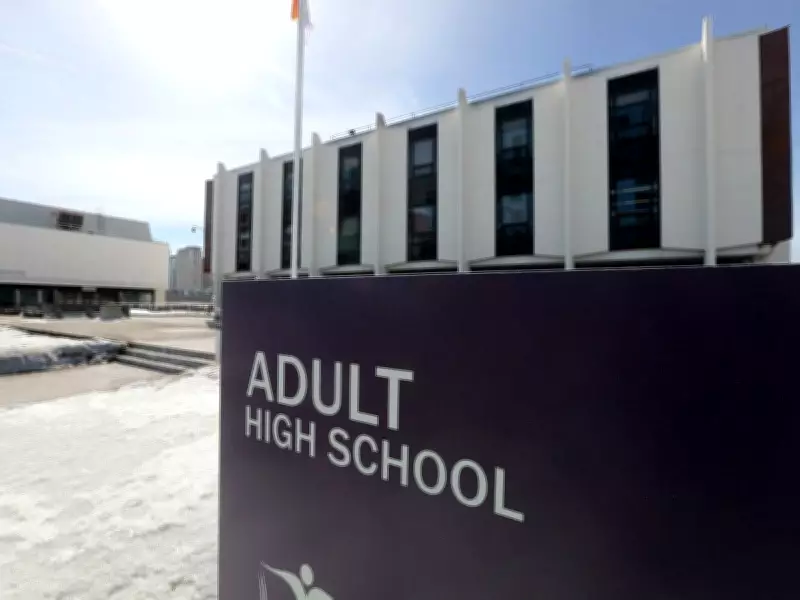
The Adult High School on Rochester Street, formerly the High School of Commerce, represents a rare example of a regular secondary day school entirely dedicated to adults. Students at this institution can work toward their secondary diploma or upgrade skills to prepare for employment, apprenticeships, or post-secondary education. The school population includes a substantial proportion of newcomers working to learn or improve their English language skills.
"It meets a particular need that no other school in the area does. It's a real tight-knit community," Kirkey emphasized, highlighting the potential disruption these changes could cause to a vulnerable student population.
Broader Context of School Board Finances
The program changes occur against a backdrop of financial challenges for the OCDSB, which is grappling with a growing deficit. School boards are not mandated to provide in-person learning for students over 21, creating additional pressure to find cost-effective delivery models while maintaining educational quality for adult learners.
The transition to a continuing education model represents a significant shift in how adult education will be delivered in Ottawa, with implications for teachers, students, and the broader community that relies on this unique educational resource.