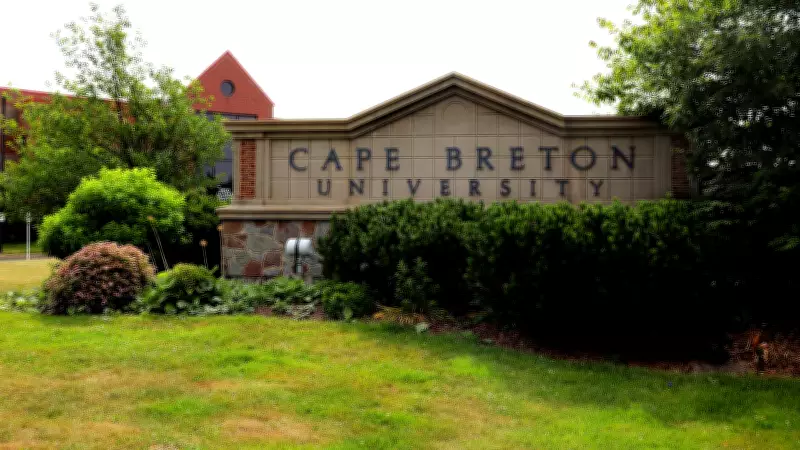
Cape Breton University (CBU) has announced plans to eliminate 50 teaching positions, a move driven by a significant decline in international student enrollment. The decision, confirmed by university officials on April 27, 2026, marks one of the largest workforce reductions in the institution's history.
Reasons Behind the Cuts
The university cited a sharp drop in international student numbers as the primary factor. Over the past two years, CBU has seen a 30% decrease in international enrollment, attributed to global economic uncertainties and changing immigration policies. This decline has strained the university's budget, leading to the difficult decision to reduce teaching staff.
Impact on Faculty and Students
The cuts will affect both full-time and part-time instructors across multiple departments. Faculty representatives expressed concern about the impact on class sizes and the quality of education. "This is a devastating blow to our academic community," said Dr. Sarah Mitchell, a professor of biology. "Students will face larger classes and fewer resources."

Students, particularly those in programs heavily reliant on international peers, worry about the loss of diverse perspectives. "International students bring valuable experiences to our classrooms," said John Kim, a third-year business student. "Reducing faculty will only make it harder to maintain that diversity."
University's Response
In a statement, CBU President Dr. Michael Collins emphasized that the cuts were necessary to ensure the institution's financial stability. "We are committed to providing a high-quality education, but we must adapt to changing circumstances," he said. The university plans to offer severance packages and career transition support for affected employees.
CBU is also exploring new recruitment strategies to attract international students, including partnerships with overseas institutions and expanded online programs. However, these measures may take time to yield results.
Broader Context
The situation at CBU reflects a wider trend among Canadian universities facing declining international enrollment. Factors such as rising tuition fees, visa restrictions, and increased competition from other countries have contributed to the downturn. Experts warn that more institutions may need to make similar adjustments if the trend continues.
For now, Cape Breton University is focused on managing the transition while maintaining its academic mission. The coming months will be critical as the university implements the cuts and seeks to stabilize its enrollment.