College students, increasingly wary of a volatile job market, are rethinking their academic paths and gravitating toward what they consider 'AI-proof' majors — fields less likely to be disrupted by artificial intelligence and automation.
Growing Anxiety Over Automation
A recent survey by the National Association of Colleges and Employers found that nearly 60% of students express concern that automation could render their chosen careers obsolete within a decade. This anxiety is driving a significant shift in enrollment patterns, with students moving away from traditionally popular but now uncertain fields like communications and graphic design.
Rise of Practical Disciplines
Instead, enrollment is surging in disciplines that require human interaction, creativity, and complex problem-solving — skills that AI has yet to master. Nursing, for instance, has seen a 15% increase in undergraduate applications this year, while trade programs such as electrician and plumbing apprenticeships are reporting waitlists for the first time in years.

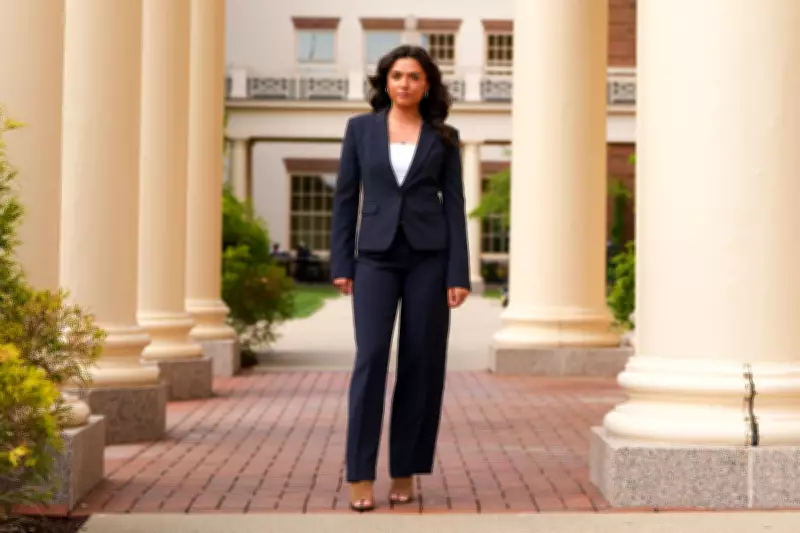
Josephine Timperman, a sophomore at Miami University in Oxford, Ohio, switched her major from marketing to nursing after researching job prospects. 'I realized that no matter how advanced AI gets, people will always need healthcare,' she said. 'I want a career that can't be automated.'
Universities Adapt Curricula
Colleges and universities are responding to this trend by emphasizing interdisciplinary studies and integrating AI literacy into traditional majors. Many institutions now offer certificates in data ethics, human-centered design, and AI collaboration to complement core disciplines.
Dr. Elena Rodriguez, a professor of higher education policy at Stanford University, notes that the shift reflects a broader societal reckoning. 'Students are being more strategic about their education,' she said. 'They're not just following passion; they're calculating return on investment in an era of rapid technological change.'
Challenges and Opportunities
Despite the trend, experts caution that no major is entirely 'AI-proof.' Even fields like medicine and law are seeing AI assist in diagnostics and document review. However, roles requiring empathy, ethical judgment, and physical presence remain relatively secure.
Career counselors advise students to focus on adaptability and lifelong learning rather than chasing a single bulletproof degree. 'The key is to develop skills that complement AI, not compete with it,' said Mark Thompson, a career services director at the University of Michigan.