Montreal Holocaust Museum Champions Education as Antidote to Rising Antisemitism
As we enter 2026, the Montreal Holocaust Museum is spearheading a transformative initiative to combat antisemitism through enhanced educational opportunities. The museum has announced free admission on Sundays from January 25 to June 30, providing Montrealers with unprecedented access to vital historical lessons and contemporary discussions about hatred.
The Urgent Need for Action
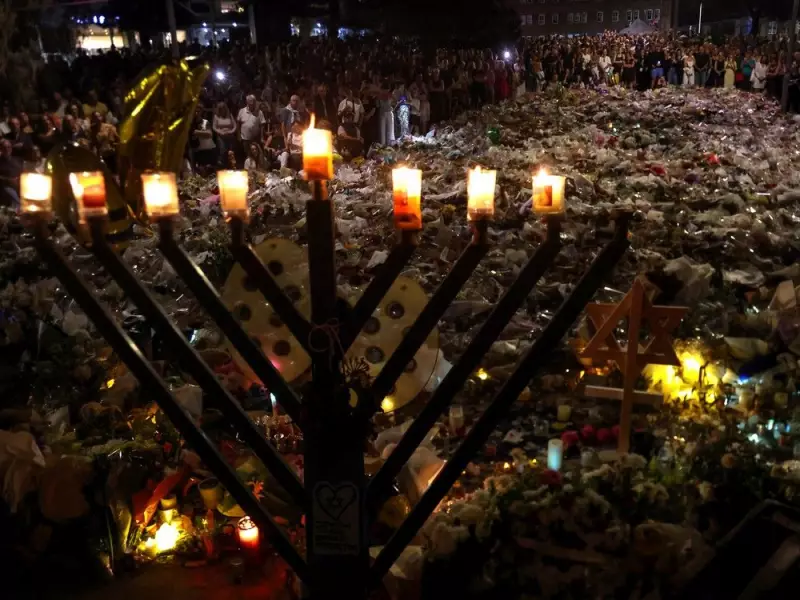
The tragic terrorist attack at Sydney's Bondi Beach during a Hanukkah celebration in 2025 sent shockwaves through Jewish communities worldwide, serving as a stark reminder of the deadly consequences of unchecked antisemitism. Canada faces similar disturbing trends, with Statistics Canada reporting that in 2024, 68.5% of police-reported religiously motivated hate crimes targeted Jewish individuals, despite Jews comprising only about 1% of the Canadian population.
These statistics translate into painful realities: bullets fired at Jewish schools, graffiti defacing Holocaust memorials, and firebombings targeting synagogues. Such incidents underscore the urgent need for effective strategies to deconstruct hatred before it escalates into violence.

Holocaust Education as a Powerful Tool
While legislative measures remain essential for deterring hate crimes, education represents a proactive approach to prevention. The Montreal Holocaust Museum, founded by survivors as Canada's first institution of its kind, demonstrates how Holocaust education can create meaningful societal change.
Research consistently supports this approach. A 2020 survey from U.S. Holocaust organizations revealed that students receiving Holocaust education show greater willingness to challenge biased information, intolerance, and negative stereotyping. Similarly, a 2018 Azrieli Foundation study found a clear correlation between Holocaust knowledge and rejection of neo-Nazi and antisemitic sentiments.
A Two-Pronged Educational Strategy
The museum's educational impact stems from a dual approach. First, visitors engage with the Holocaust through personal narratives of Jewish victims and survivors. Beyond knowing that six million Jews were murdered, people hear Paul Herczeg describe the devastation of wearing a yellow star, see Sonia Aronowicz Tencer's threadbare labor camp uniform, and listen to Vera Neiser Vertes recount surviving while her sisters perished.
Second, the museum explicitly connects Holocaust history to contemporary antisemitism, emphasizing that hatred against Jews neither began nor ended with the Holocaust but continues to evolve today. Through a five-year federally funded research project, the museum collaborates with academic teams to ensure their pedagogical approach effectively addresses this continuity.
Expanding Educational Programs
The museum has developed new workshops addressing contemporary antisemitism, including an adult education program narrated by descendants of Holocaust survivors. These initiatives demonstrate that antisemitism persists well beyond 1945 and requires ongoing attention.
With the museum's planned 2027 move to downtown Montreal, thousands more visitors will gain access to transformative lessons from Holocaust history. These historical warnings serve as bridges between Jewish and non-Jewish communities while providing tools to recognize and combat hatred.
A Call to Action
At a time when radicalization and extremism threaten democratic values, education and community building become more crucial than ever. The Montreal Holocaust Museum's free Sunday admissions offer Montrealers a meaningful opportunity to learn, grow, and channel the fear following events like the Sydney attack into constructive rejection of division and hate.
Sarah Fogg, head of marketing, communications and PR at the Montreal Holocaust Museum, emphasizes that education remains imperative for building empathy, deconstructing hate effectively, and changing how we perceive one another in our diverse society.