Former South Korean Prime Minister Receives Lengthy Prison Term for Rebellion Charges
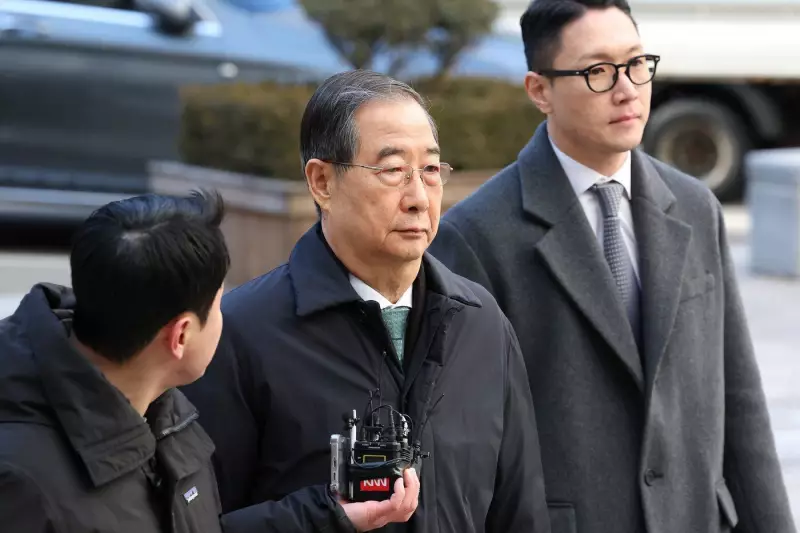
In a landmark ruling that has sent shockwaves through South Korea's political landscape, former Prime Minister Han Duck-soo, a close ally of President Yoon Suk Yeol, has been sentenced to 23 years in prison. The Seoul Central District Court found Han guilty of rebellion related to his involvement in a martial law crisis, concluding a high-profile trial that has captivated the nation.
Details of the Court's Decision and Charges
The court delivered its verdict on Wednesday, January 21, 2026, after extensive proceedings. Han Duck-soo, who served as prime minister under President Yoon, was convicted on charges stemming from actions taken during a period of martial law. The prosecution argued that Han played a central role in activities deemed seditious, undermining constitutional order.
This case represents one of the most significant legal actions against a senior political figure in recent South Korean history. The 23-year sentence reflects the severity with which the court viewed the offenses, emphasizing the gravity of rebellion in a democratic society.
Political Repercussions and Broader Implications
Han's sentencing is expected to have profound political ramifications. As a top ally of President Yoon, his conviction could weaken the administration's standing and fuel opposition criticism. The trial has highlighted deep-seated tensions within South Korea's governance structures, particularly concerning the balance of power and rule of law.
Observers note that this development may influence upcoming political dynamics, including potential shifts in public opinion and legislative agendas. It underscores the ongoing challenges in South Korea's democratic consolidation, where legal accountability for high-ranking officials remains a contentious issue.
Context of the Martial Law Crisis
The rebellion charges are linked to a martial law crisis that erupted amid political unrest. While specific details of Han's alleged actions have been part of sealed court documents, reports suggest they involved efforts to manipulate or resist governmental protocols during the emergency period.
This sentencing follows a pattern in South Korea of holding former leaders accountable, though it is rare for a prime minister to face such severe penalties. The case adds to a complex history of political trials in the country, reflecting its turbulent journey toward democratic stability.
As Han Duck-soo begins his prison term, the fallout from this verdict will likely continue to unfold, affecting both domestic politics and South Korea's international image. The ruling serves as a stark reminder of the legal boundaries that even the most powerful figures must respect.