Occupational Therapists Demand Inclusion in Canada's Student Loan Forgiveness Program
The Canadian Association of Occupational Therapy has issued a formal appeal to the federal government, calling for the expansion of the Canada Student Loan Forgiveness program to include occupational therapists. This critical initiative aims to recognize the essential role these healthcare professionals play in delivering services to underserved rural and remote communities while addressing significant workforce shortages across the nation's healthcare system.
Essential Healthcare Providers Excluded from Critical Program
Occupational therapists serve as fundamental pillars within Canada's healthcare infrastructure, supporting individuals of all ages to participate fully in daily life following injury, illness, or disability. Their work spans from helping seniors remain safely in their homes to facilitating injured workers' return to employment and supporting comprehensive recovery processes. Despite these vital contributions, occupational therapists remain conspicuously excluded from the federal Student Loan Forgiveness program, which is specifically designed to attract and retain health professionals in underserved communities.
"Including occupational therapists in the Student Loan Forgiveness program would strengthen primary care, improve access to essential services, and support healthier communities across Canada," emphasized Lisa Diamond-Burchuk, Chair of the Canadian Association of Occupational Therapy's Board. "Right now, we are asking new occupational therapy graduates to choose between financial survival and serving the communities that need them most. That's not a choice anyone should have to make."

Addressing Geographic Healthcare Disparities
Nearly one in five Canadians resides in rural, remote, Indigenous, coastal, or northern communities where access to rehabilitation and mental health services remains severely limited. Occupational therapists working in these challenging locations help fill critical healthcare gaps, reducing unnecessary hospital admissions, supporting aging in place initiatives, and substantially improving overall quality of life for vulnerable populations.
However, like many healthcare professionals, occupational therapists typically graduate with substantial student debt burdens. Without access to loan forgiveness incentives that other healthcare providers receive, recruitment and retention in high-need communities becomes increasingly problematic, exacerbating existing healthcare disparities.
Strategic Policy Implications
"Loan forgiveness is not simply a financial incentive—it is a strategic policy tool," added Irving Gold, Chief Executive Officer of the Canadian Association of Occupational Therapy. "This is not just about supporting a profession—it is about ensuring that Canadians, regardless of where they live, can access the care they need to function, recover, and thrive."
The association is urging immediate federal action to ensure occupational therapists receive recognition within the Canada Student Loan Forgiveness program. Such policy alignment would better reflect the realities of modern, team-based healthcare delivery while helping guarantee that all Canadians—regardless of geographic location—can access the essential services they require for optimal health and functioning.
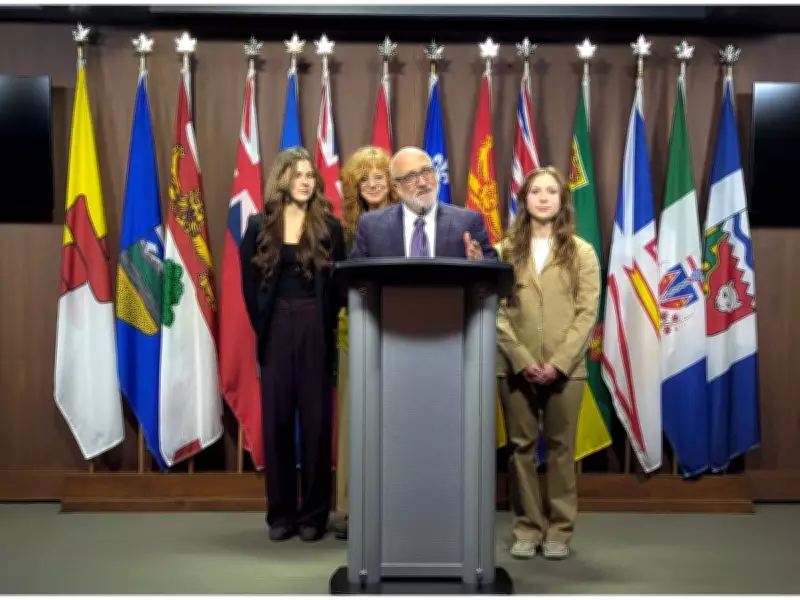
The call for inclusion comes as occupational therapy students from the University of Ottawa join association representatives in advocating for this crucial policy change, highlighting how current exclusions create unnecessary barriers to serving Canada's most vulnerable populations.