Toronto School Trustees Voice Concerns Over Governance Reforms
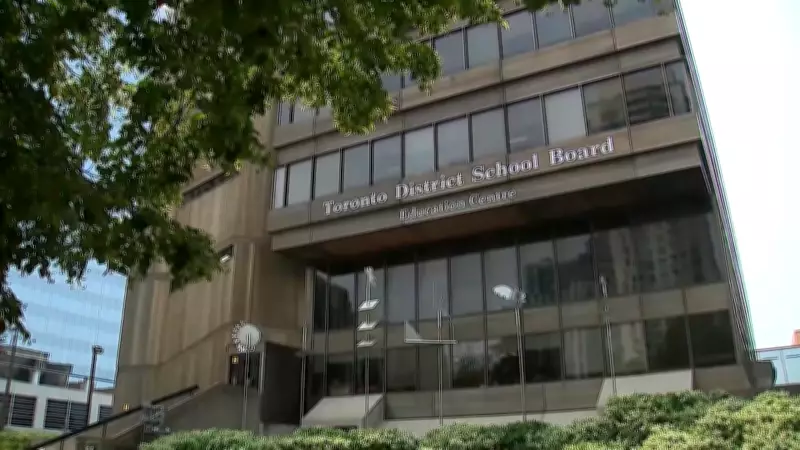
Trustees at the Toronto District School Board are raising alarms about proposed changes to the board's governance structure, warning that these reforms could significantly weaken parental input in educational decisions. The concerns center on modifications that might alter how parents and community members engage with the board, potentially limiting their influence on policies affecting local schools.
Debate Over Parental Involvement Intensifies
The trustees argue that the planned changes, which include adjustments to committee structures and public consultation processes, could marginalize the voices of parents who play a crucial role in advocating for student needs. This development has sparked a heated debate within the education community, with some stakeholders supporting the reforms as necessary for efficiency, while others fear they may erode democratic participation.
"We are deeply concerned that these changes will create barriers for parents who want to be actively involved in their children's education," one trustee stated, emphasizing the importance of maintaining robust channels for community feedback. The proposed reforms come at a time when many school boards across Ontario are reevaluating their governance models to address administrative challenges and evolving educational priorities.

Potential Impacts on School-Community Relations
If implemented, the changes could affect how parents participate in key areas such as:
- Budget allocations and resource distribution
- Curriculum development and program offerings
- School safety and infrastructure projects
- Special education and support services
Advocates for the reforms suggest that streamlining governance could lead to more efficient decision-making and better alignment with provincial guidelines. However, critics counter that reducing parental input may undermine the board's responsiveness to local needs and diminish transparency. The trustees are calling for a thorough review of the proposals to ensure that any changes prioritize inclusive engagement and uphold the board's commitment to community collaboration.
As discussions continue, the Toronto District School Board faces the challenge of balancing operational efficiency with meaningful public involvement. The outcome of this debate could set a precedent for other school boards considering similar governance adjustments, highlighting the ongoing tension between administrative reform and participatory democracy in education.