Mount Royal University Safety Alert System Fails During Knife Scare Incident
Mount Royal University has publicly acknowledged significant problems with its emergency alert system that prevented critical safety messages from reaching many students and staff during a shelter-in-place incident on campus. The failure occurred on Monday, April 13, 2026, when multiple police units responded to reports of an armed person on the university grounds.
Police Response and Confusion on Campus
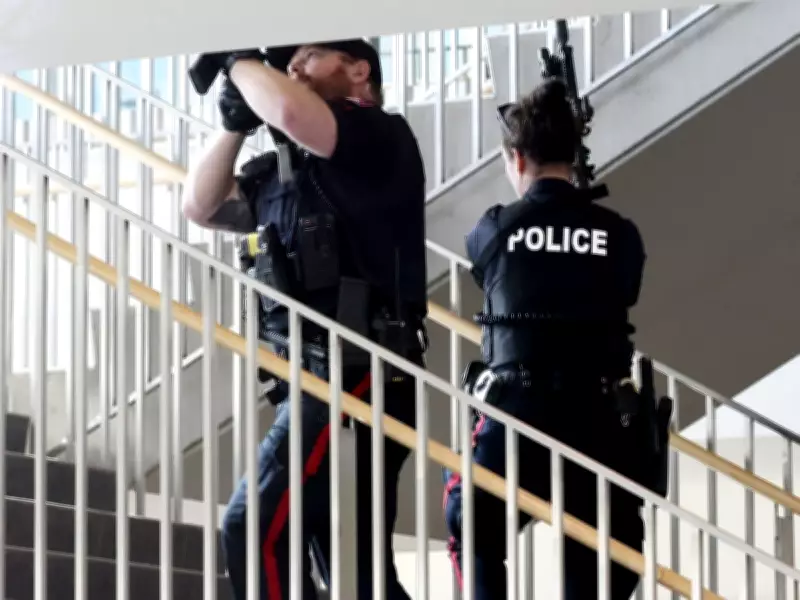
Calgary police officers swarmed through the Mount Royal University campus, containing the area and issuing a shelter-in-place order for the university and surrounding communities after confirming witness reports. While clearing the area, officers determined that the individual in question was actually a staff member working as a chef for the university. The incident was resolved shortly before 5 p.m., but the communication breakdown created significant confusion and concern throughout the campus community.
Numerous students and faculty members reported never receiving emergency alert messages on their cellphones during the critical hours of the incident. "People were walking around campus like it was a normal day," said criminology professor Kelly Sundberg, who was among those who never received the alert despite being an expert on such systems.

University Acknowledges Technical Failures
On Tuesday, MRU officials confirmed that the alert system failed to register on some recipients' devices. In a formal statement, the university explained: "While we did send several messages through MRU Now as well as through email and social media, like many apps, MRU Now can go into 'hibernation' or be off-loaded from devices if not used regularly."
The university emphasized that they continually review their internal processes and responses related to security incidents. School officials urged students and staff to download the MRU Now app and check their notification settings to ensure alerts are received in future emergencies.
Calls for Provincial Investigation
Professor Sundberg called the communication failure "serious" during what could have been a dangerous situation. "Should we have a mass casualty event on campus, there's an effective way of reaching people and it's clear that didn't happen," said Sundberg. "They have a duty under the provincial Health and Safety Act and they didn't live up to that."
The criminology professor, who was contacted by numerous students via email wondering what was transpiring during the incident despite being off campus himself, called for an external review by the provincial government. "When we see a failure of this scope, we need the province to step in — it requires an external review," Sundberg stated, while recalling the 1999 shooting at W.R. Myers High School in Taber that left one student dead and another severely injured.
"We know shootings and active assailant incidents occur in Alberta, and in 2026 to see this failure is nothing short of disappointing," Sundberg added.
Additional Safety Concerns Raised
Sundberg noted that he's witnessed fire drills on campus but not those aimed at active assailant events, which he called another oversight in campus safety preparedness. The professor, who is heading to a gathering on emergency systems in Germany next month, remarked: "It's embarrassing that my own university can't get its act together."
Political scientist Duane Bratt, who was on campus during the incident, reported locking himself in his office after receiving a shelter-in-place order from police and began posting updates on social media. "Police have left campus. But no email that everything is fine," he posted at one point. Bratt added: "Again, no emergency alert. We get alerts when the parking lot is icy or when there are protesters on campus. But not an armed intruder!"
The incident has raised serious questions about emergency communication protocols at educational institutions and highlighted the potential consequences when safety systems fail during critical situations.