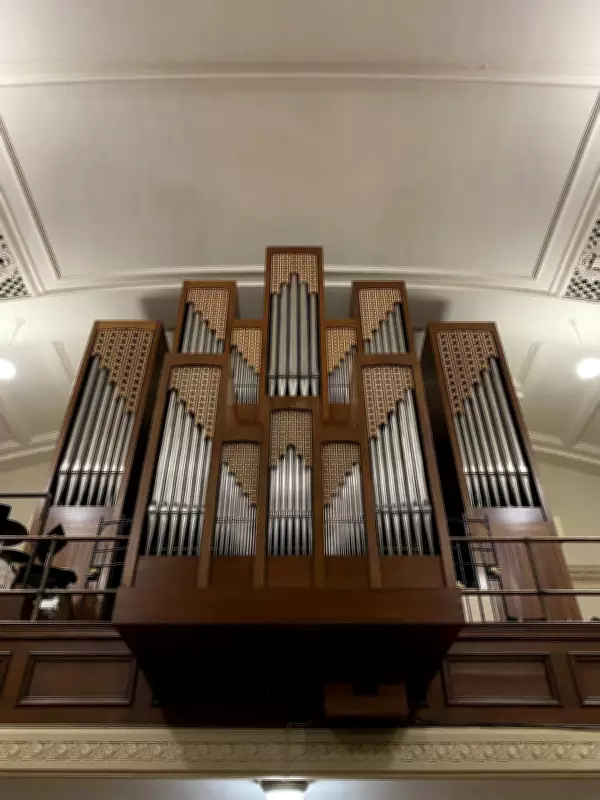
Organists and music lovers are rallying to preserve a historic Casavant pipe organ at the University of Alberta's Convocation Hall. The instrument, built in 1978, replaced an earlier organ from 1925 that honored students and faculty who died in the First World War. Advocates warn that without intervention, the organ could fall into disrepair or be removed, silencing a piece of musical history.
A Legacy Under Threat
The Casavant Frères organ, known for its rich, resonant tones, has been a centerpiece of Convocation Hall for decades. However, aging components and shifting priorities have raised concerns about its future. Organist Marnie Giesbrecht, who played the instrument for years, describes it as irreplaceable. 'This is not just any organ; it's a masterpiece of Canadian craftsmanship,' she said in an interview.
Community Efforts
A group of organists, alumni, and music enthusiasts has formed the Save the Casavant Committee. They are fundraising for repairs and lobbying the university to maintain the instrument. 'The day the music dies is not an option,' said committee spokesperson David Palmer. The group has organized concerts and awareness campaigns to highlight the organ's historical and cultural significance.

The University of Alberta has acknowledged the organ's importance but notes that maintenance costs are substantial. A university spokesperson stated that they are exploring options to preserve the instrument while balancing budget constraints. 'We value the organ's role in our community and are committed to finding a sustainable solution,' the spokesperson said.
Historical Significance
The original 1925 organ was built to commemorate those who served in World War I. When it became unplayable in the 1970s, the university commissioned a new Casavant organ, which was installed in 1978. The current instrument features over 3,000 pipes and is considered one of the finest examples of Casavant's work. 'It has a unique voice that cannot be replicated,' Giesbrecht added.
Organists from across Canada have expressed support. 'This organ is part of our national heritage,' said Toronto-based organist Rachel Laurin. 'We cannot afford to lose it.' The committee hopes to raise $500,000 for restoration, with a goal of ensuring the organ remains playable for future generations.
For now, the organ continues to be used for concerts and ceremonies, but its long-term fate remains uncertain. The committee urges the public to attend upcoming events and donate to the cause. 'Every note played is a reminder of what we stand to lose,' Palmer said.