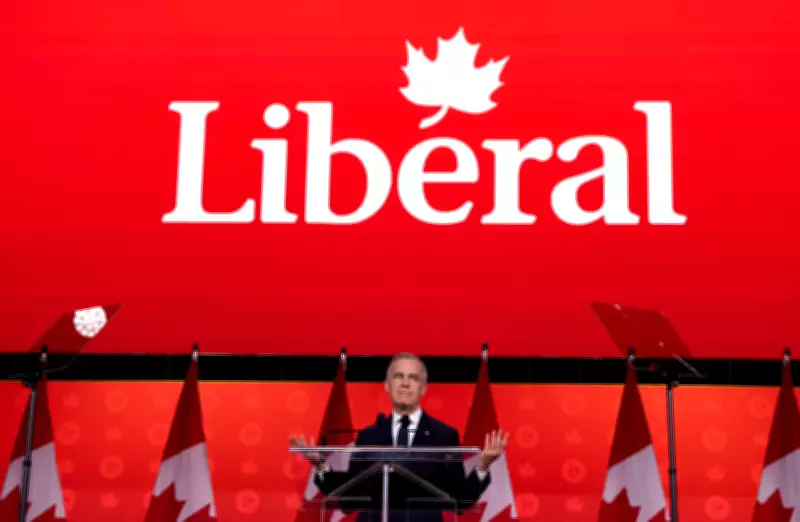
Prime Minister Mark Carney, bolstered by a newly secured majority government, is setting his sights on negotiating a comprehensive trade deal with the United States. Speaking at the Liberal national convention in Montreal on April 11, 2026, Carney emphasized the importance of strengthening economic ties with Canada's southern neighbor while protecting Canadian interests.
Majority Mandate
The Liberal Party's majority in Parliament provides Carney with a stronger mandate to pursue ambitious trade objectives. Political analysts note that this majority reduces the need for compromise with opposition parties, allowing the government to move swiftly on trade negotiations. The prime minister has indicated that a top priority is resolving ongoing disputes over U.S. tariffs on Canadian goods, particularly in the steel and aluminum sectors.
Trade Deal Objectives
Carney's administration aims to secure a deal that ensures stable market access for Canadian exporters, addresses cross-border digital trade regulations, and strengthens supply chain resilience. The government is also seeking to include provisions on climate cooperation and critical minerals, aligning with Canada's green technology goals. The prime minister has stressed that any agreement must protect Canadian sovereignty and workers' rights.

Opposition leaders have expressed cautious support but warn against conceding too much. Conservative critics argue that the government should prioritize domestic industries over trade concessions. Meanwhile, business groups are optimistic, hoping that a new deal will reduce uncertainty and boost investment.
Challenges Ahead
Negotiations are expected to be complex, with the U.S. administration demanding greater access to Canadian dairy and poultry markets. Additionally, issues such as Buy American policies and digital services taxes remain contentious. Carney has appointed a dedicated trade envoy to lead talks, signaling the importance of this file.
Economic experts highlight that a successful trade deal could significantly boost Canada's GDP and create jobs, particularly in manufacturing and technology sectors. However, failure to reach an agreement could lead to retaliatory measures and increased trade friction.
The prime minister's approach reflects a pragmatic blend of economic nationalism and international cooperation. As Carney stated at the convention, "We will defend Canadian interests, but we will also seize opportunities to build a more prosperous future together with our American partners."