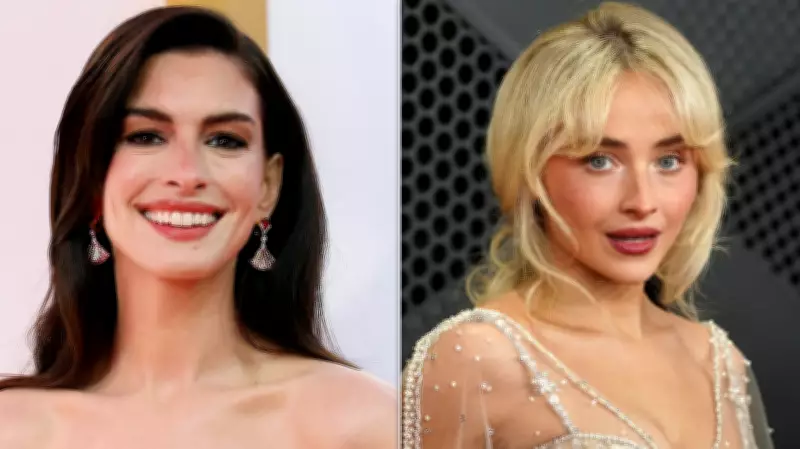
Anne Hathaway's 'Inshallah' Moment Ignites Cultural Representation Conversation
For many who have never experienced being othered, the term "representation" has often devolved from a beacon of hope to a mere buzzword. However, when Anne Hathaway effortlessly incorporated "inshallah" into an interview with People magazine about the highly anticipated sequel "The Devil Wears Prada 2," it resonated deeply within Muslim and Arab American communities, sparking widespread discussion in group chats and online forums.
The Significance of 'Inshallah' in Modern Discourse
During the interview, when reflecting on aging, Hathaway discussed evaluating past choices, maintaining perspective, and expressed her hope for a long, healthy life, adding, "Inshallah, I hope so." The Arabic phrase "inshallah," meaning "if God wills," is rooted in the Quran and commonly used by Muslims in both sincere contexts, such as wishing for success, and sarcastically, like in parental responses to requests. Its adoption by non-Arabic speakers has grown, partly influenced by figures like Drake and former President Joe Biden, who used it in political commentary.
Contrast with Recent Cultural Controversies
The timing of Hathaway's remark is particularly poignant. Just a week earlier, singer Sabrina Carpenter faced backlash for mocking a Zaghrouta—a traditional Arab celebratory ululation—during her Coachella performance. While some argued Carpenter might not have recognized the sound, her dismissal of it as "weird" felt xenophobic and triggering to many immigrants and their children. This incident highlighted the pain of cultural rejection, making Hathaway's respectful use of "inshallah" stand out as a counterpoint.

As a well-traveled and privileged artist, Carpenter's reaction underscored a lack of cultural sensitivity, whereas Hathaway's natural inclusion of the phrase in a mainstream press run felt like a small victory. It reinforced that languages like Arabic are not oddities but integral threads in the fabric of American culture.
Beyond White Validation: A Quest for Belonging
It is crucial to clarify that the emotional response to these events is not about seeking validation from white figures. Instead, it centers on the right of immigrant communities to belong and contribute to society, celebrating their heritage without fear of being labeled "weird." Recent examples bolster this movement:
- Muslim Egyptian-American actor Ramy Youssef taught Elmo to say "habibi" (meaning "my love" or "my friend") on Sesame Street.
- NYC Mayor Zohran Mamdani proudly centered his faith in a historic political campaign.
- British Pakistani actor Riz Ahmed's show Bait, exploring themes like a "brown James Bond," earned a 95% rating on Rotten Tomatoes.
The Enduring Need for Inclusive Representation
Despite persistent anti-Muslim and anti-Arab rhetoric in politics and pop culture, these moments demonstrate a growing push for authentic representation. Seeing cultural elements embraced in mainstream media fosters acceptance and inclusion. As Hathaway's "inshallah" reminds us, representation remains vital—not as a fleeting trend, but as a pathway toward a more inclusive society. We hope to witness more such instances, insha'Allah.