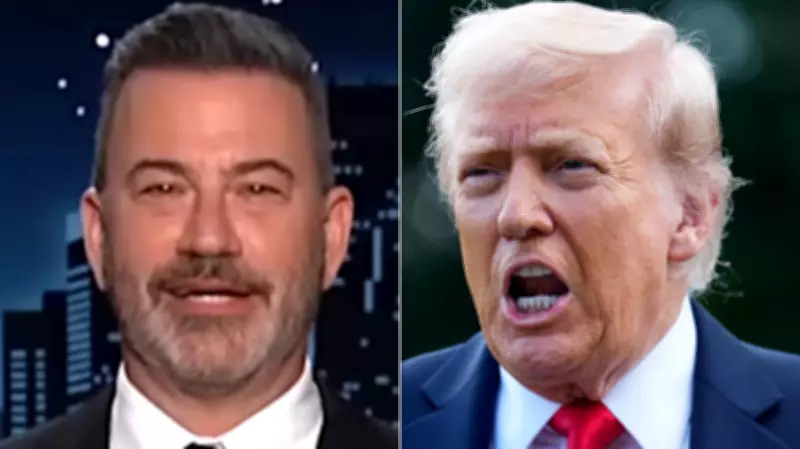
In a sharp and humorous critique of escalating geopolitical tensions, late-night television host Jimmy Kimmel has drawn an unexpected connection between the United States' conflict with Iran and the global market for personal protection products. During his Wednesday night monologue, Kimmel highlighted how the ongoing strife could have far-reaching economic impacts beyond the usual sectors like oil and gas.
Supply Chain Disruptions Hit Intimate Industries
Kimmel pointed to Karex, recognized as the world's largest manufacturer of condoms, as a prime example of how international conflicts can ripple through supply chains. According to his commentary, the company may be forced to implement price increases ranging from 20% to 30%. This potential hike is directly attributed to supply-chain issues exacerbated by the war, which have led to significant shipping delays and a consequent depletion of condom stockpiles worldwide.
A Satirical Take on Global Consequences
With his characteristic wit, Kimmel extended the metaphor to underscore the broader implications. He quipped, "The price of condoms will affect the Strait of Hormuz and the gays of Hormuz, too, equally," cleverly playing on the strategic waterway's name to emphasize how the conflict's effects transcend traditional boundaries. In a more pointed jab, he added, "Is there any metaphor more fitting than Donald Trump screwing us without condoms because he won't pull out?" This remark not only critiques the administration's foreign policy but also frames it in terms of personal and public health risks.

Broader Economic and Social Ramifications
Kimmel's observations shed light on the often-overlooked ways in which international disputes can influence everyday consumer goods. The potential price surge for condoms underscores vulnerabilities in global logistics, where delays in key shipping routes can lead to shortages and increased costs for essential items. This situation highlights the interconnectedness of geopolitical events and economic stability, affecting industries far removed from the immediate conflict zones.
As tensions continue, Kimmel's monologue serves as a reminder of the unpredictable consequences of war, blending satire with serious commentary on how policy decisions can impact both global markets and individual lives. His insights encourage a broader discussion on the need for resilient supply chains and the importance of considering all sectors when assessing the fallout from international conflicts.