Fresh Examination of Diana's Royal Struggles
A newly released publication has reignited the longstanding debate about who bears responsibility for the difficulties faced by Diana, Princess of Wales during her time within the British Royal Family. The book provides a comprehensive re-examination of the relationships and institutional structures that shaped Diana's experience as a royal figure.
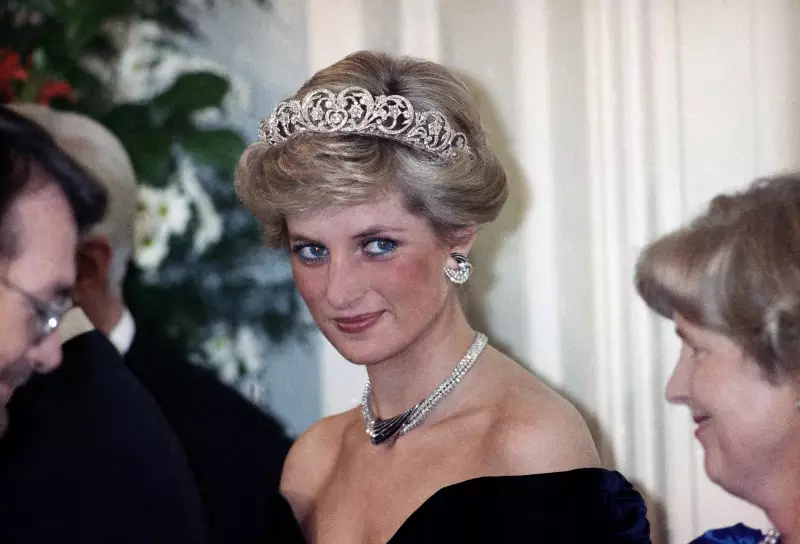
The timing of this publication comes nearly three decades after the iconic photograph captured of Diana during an evening reception given by West German President Richard von Weizsacker in Bonn, Germany on November 2, 1987. This historical image serves as a poignant reminder of Diana's public role during a period of significant personal challenges.
Unresolved Questions About Institutional Responsibility
The book delves deeply into the complex dynamics between Diana and the royal institution, raising critical questions about whether the system adequately supported the young princess during her most vulnerable moments. Authors and royal commentators have long debated the extent to which the traditional monarchy struggled to accommodate Diana's modern approach to her duties and public engagements.

According to the new analysis, the fundamental conflict between Diana's emotional openness and the Royal Family's reserved traditions created tensions that ultimately contributed to her sense of isolation. The publication examines how these institutional pressures intersected with Diana's personal relationships, creating a perfect storm of difficulties for the popular royal figure.
Lasting Impact on Royal Legacy and Public Perception
The renewed discussion comes at a time when the Royal Family continues to navigate its relationship with the public and media. The book's release has prompted fresh reflection on how the institution has evolved in its treatment of royal family members since Diana's era, particularly in addressing mental health and personal wellbeing.
Historical observers note that Diana's experience fundamentally changed public expectations of royal transparency and emotional authenticity. Her willingness to discuss personal struggles, including her battle with bulimia and marital difficulties, broke longstanding taboos within royal circles and established new precedents for how modern royals engage with the public.
The ongoing fascination with Diana's story, as evidenced by this latest publication, demonstrates the enduring impact of her life and legacy on both the monarchy and public consciousness. The questions raised about responsibility, support systems, and institutional adaptation remain relevant as the Royal Family continues to balance tradition with contemporary expectations.