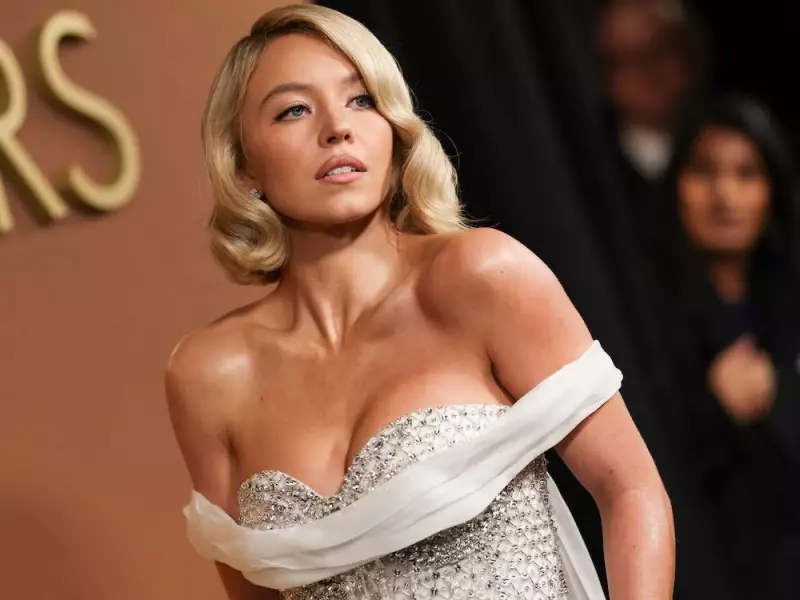
Actress Sydney Sweeney has firmly taken control of her own narrative, demonstrating remarkable poise during a recent GQ magazine interview that has since gone viral. The 28-year-old actress, who has become an unexpected lightning rod in contemporary culture wars, refused to apologize for her controversial American Eagle "good jeans" campaign despite intense pressure from interviewer Katherine Stoeffel.
The Interview That Changed Everything
During the now-famous conversation that took place in November 2025, Stoeffel repeatedly attempted to coax Sweeney into expressing regret for the jeans advertisement that some critics had labeled as promoting "genetic superiority." The interviewer's approach was described as uncomfortable and persistent, with Stoeffel allegedly unable to maintain eye contact with Sweeney's steady gaze throughout the exchange.
"I think that when I have an issue that I want to speak about, people will hear," Sweeney responded calmly while smiling, according to observers of the interaction. This simple yet powerful statement marked a significant turning point in how the actress engages with public discourse about her career and public image.

From Subject to Author of Her Narrative
Sweeney's journey to this moment of self-possession began earlier in March 2024, when her Saturday Night Live appearance first thrust her into the center of cultural debates. The pattern continued throughout the summer with the American Eagle campaign controversy, where critics and supporters alike projected their own narratives onto the young actress.
Previously, Sweeney's position within these cultural conflicts remained ambiguous. She had attained what some described as Helen-of-Troy-like stature in culture war discussions, with her physical appearance often framed as a point of contention between opposing ideological camps.
The Power of Saying No
In the face of what some have characterized as an attempted "struggle session," Sweeney demonstrated what cultural commentators are calling a masterclass in handling such situations. Rather than following the expected path of public figures confronted with similar circumstances—whether feigning ignorance, offering groveling apologies, or qualifying responses with statements about "learning and unlearning"—Sweeney chose the simplest yet most powerful response: no.
This refusal to apologize to what many describe as the "woke mob" has been widely interpreted as a significant moment of empowerment, not just for Sweeney but for public figures navigating similar pressures. By declining to participate in what she apparently viewed as unnecessary self-flagellation, the actress effectively reclaimed authorship of her own story.
The interview has since spawned numerous internet memes and discussions about the appropriate way for celebrities to respond to criticism in the current cultural climate. More importantly, it has established Sweeney as someone who controls her own discourse moving forward, setting a precedent that many observers believe will influence how other public figures approach similar situations.